


























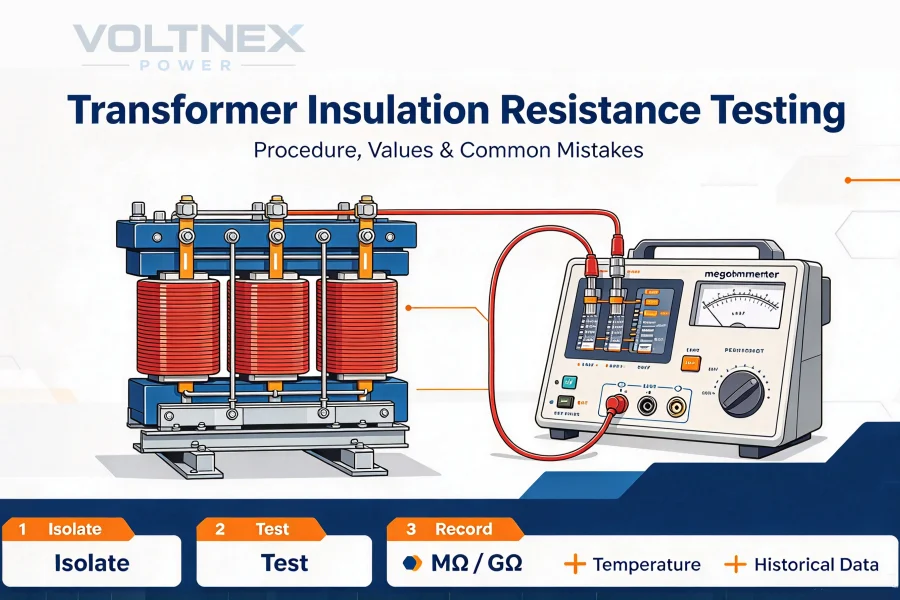
Transformer insulation resistance testing is an essential maintenance procedure for evaluating the condition of electrical insulation between windings and between windings and ground. It helps identify moisture, contamination, insulation deterioration, and other potential problems before they lead to electrical failures. For industrial facilities, power distribution systems, and manufacturing plants, regular transformer insulation testing can reduce […]
Category Archives: Blog
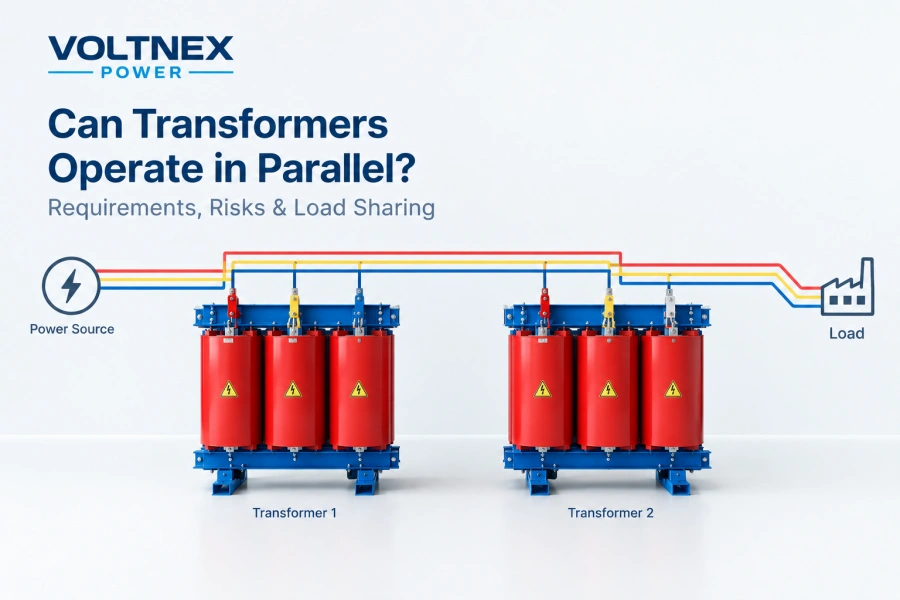
Connecting two or more transformers in parallel can increase power capacity, improve system reliability, and provide flexibility for future expansion. However, transformers cannot be connected in parallel simply because they have the same voltage rating. Their electrical characteristics and operating conditions must be compatible. For industrial facilities, commercial buildings, manufacturing plants, and power distribution systems, […]
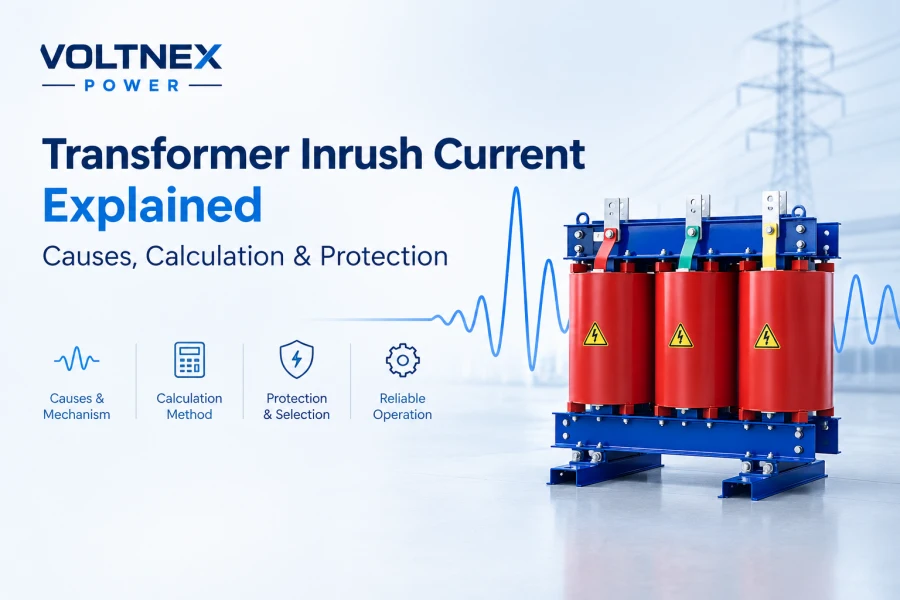
Transformer inrush current is one of the most common causes of unexpected circuit breaker trips during transformer energization. When a transformer is switched on, its initial magnetizing current can rise far above its normal operating current, even when no load is connected to the secondary winding. For industrial power systems, understanding transformer inrush current is […]
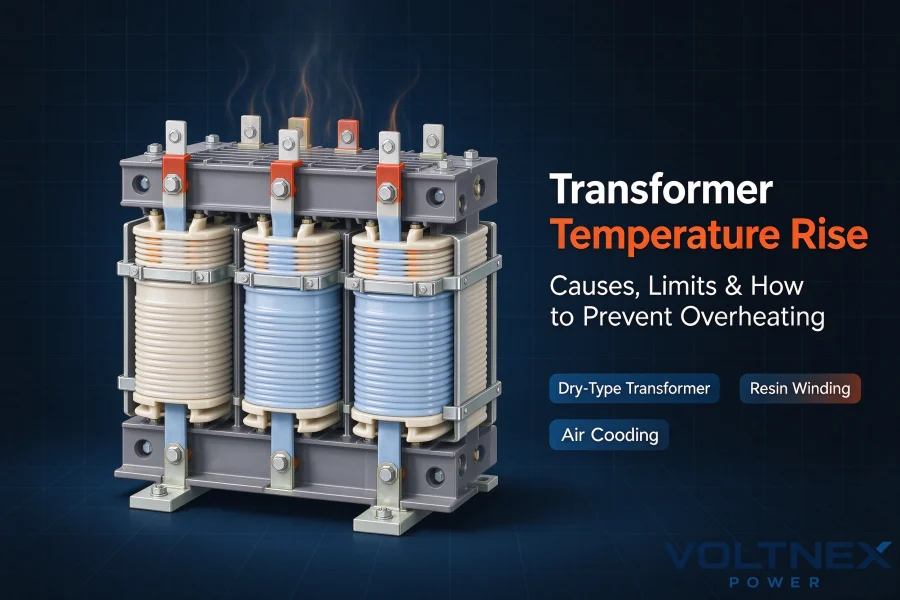
Transformer temperature rise is an important factor when selecting and operating an industrial transformer. Excessive temperature can accelerate insulation aging, reduce service life, increase losses, and eventually cause transformer failure. For dry type transformers, temperature management is especially important because heat must be dissipated through air rather than insulating oil. Understanding temperature rise helps engineers […]
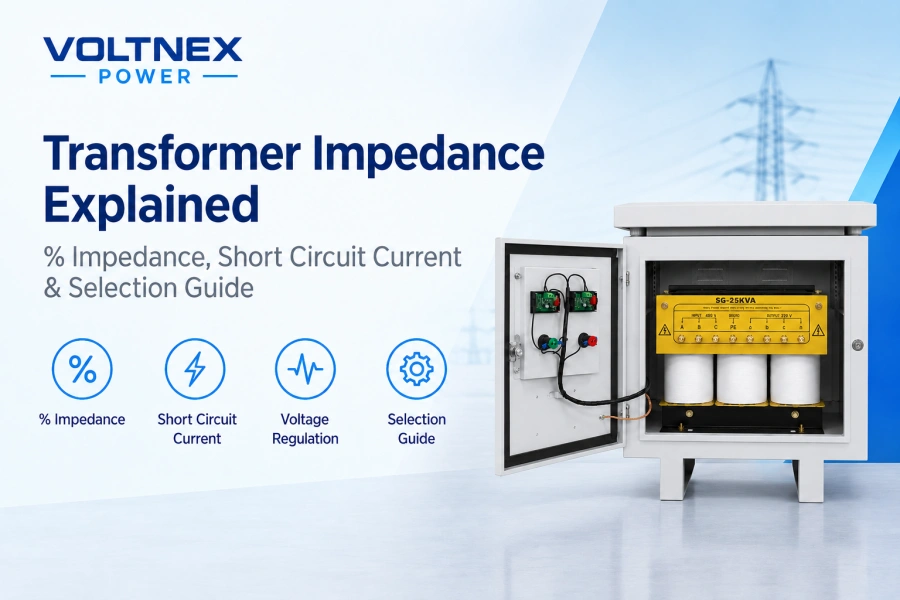
Transformer impedance is an important specification when selecting, sizing, or replacing a transformer for an industrial or commercial power system. It directly affects short-circuit current, voltage drop, voltage regulation, transformer paralleling, and system protection. For engineers and electrical equipment buyers, understanding transformer impedance helps ensure that the transformer is compatible with the existing electrical system […]
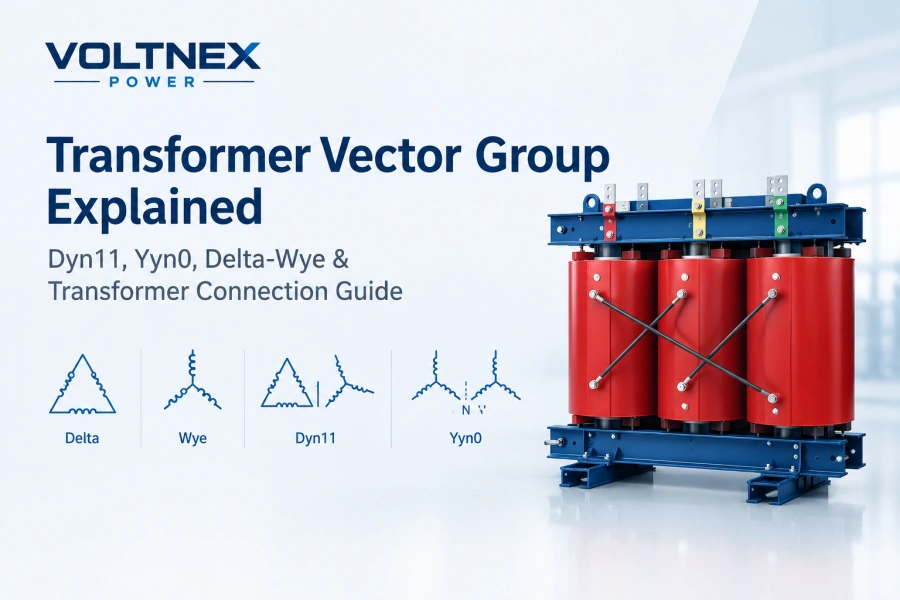
Choosing the correct transformer connection is important for voltage conversion, phase relationships, grounding, system compatibility, and reliable industrial power distribution. For three-phase transformers, terms such as Dyn11, Yyn0, Delta-Wye, Wye-Delta, and transformer vector group describe how the primary and secondary windings are connected and how their phase voltages are displaced. For industrial equipment, factory automation, […]
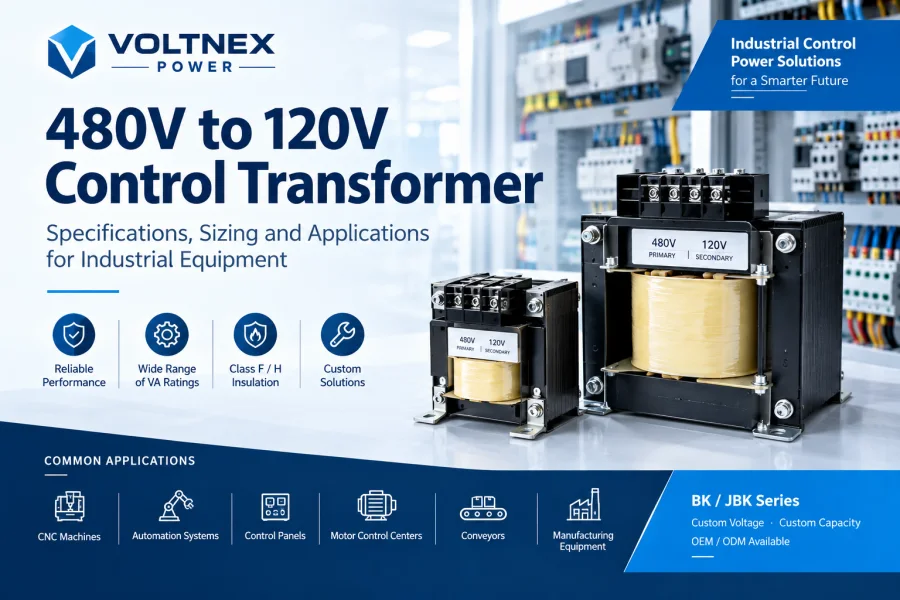
A 480V to 120V control transformer is widely used in industrial control panels, machine tools, CNC equipment, motor control centers, automation systems and manufacturing machinery where the main power supply is 480V AC but control components require a lower 120V AC voltage. The transformer steps down the incoming 480V supply to 120V for control circuits […]

選擇工業變壓器製造商,並非單純只是尋找規模最大的電氣公司。變壓器採購方可能需要截然不同的產品,從小型低壓控制變壓器或乾式隔離變壓器,到用於公用事業、再生能源或工業專案的大型配電變壓器或電力變壓器皆然。2026年,全球變壓器市場涵蓋 […]
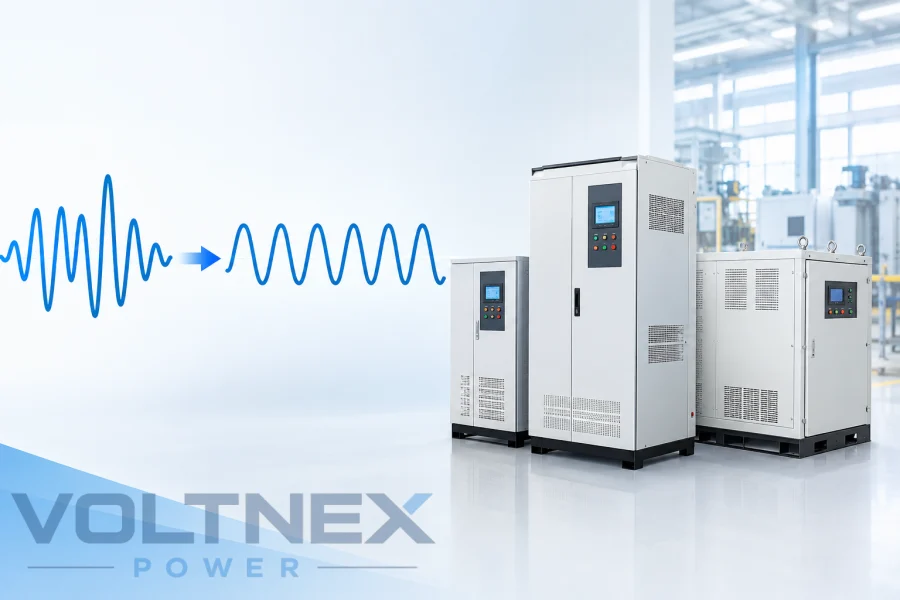
電源調節器是許多需要穩定且可靠電源的工業及商業電力系統中的重要組件。在交流電源應用中,電源調節器通常與電壓調節器、自動電壓調節器(AVR)、交流電壓穩壓器以及伺服電壓穩壓器相關聯,這些裝置用於控制和穩定波動的輸入電壓。電壓不穩定可能會 […]
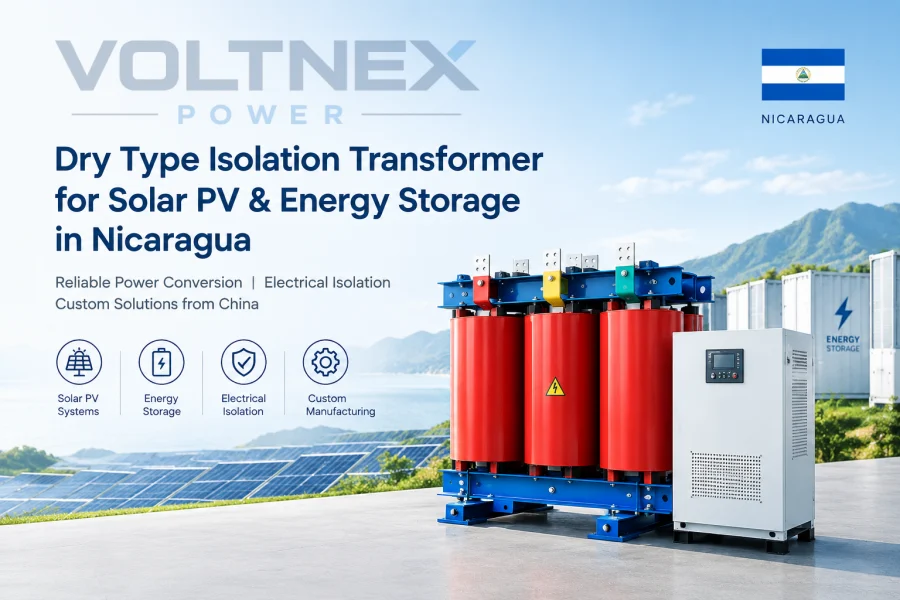
對於尼加拉瓜的太陽能光電、電池儲能及工業電力專案而言,選用合適的變壓器是建置可靠電力系統的重要環節。當專案需要進行電壓變換、電氣隔離或特定 […] 時,可在逆變器、PCS、配電系統與下游負載之間使用乾式隔離變壓器。