

























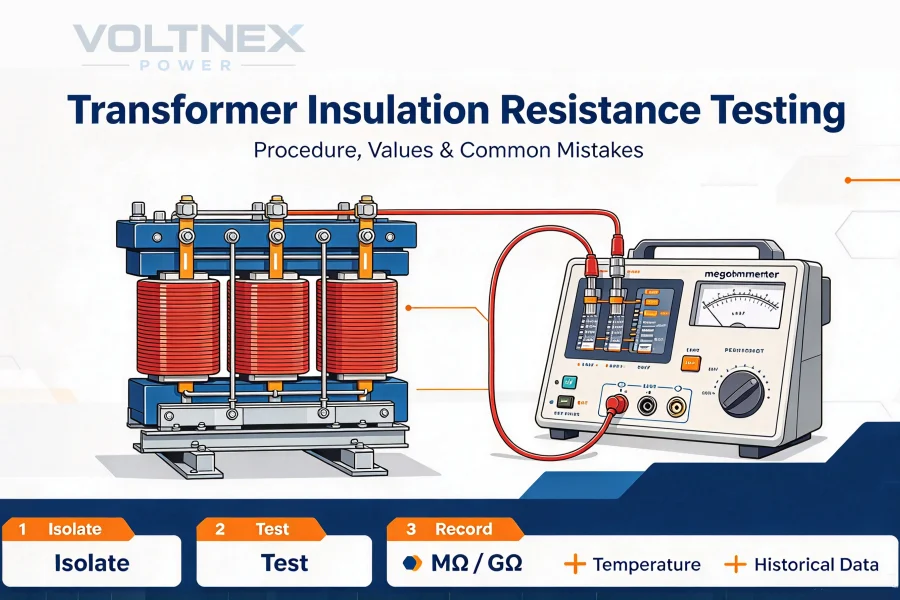
Transformer insulation resistance testing is an essential maintenance procedure for evaluating the condition of electrical insulation between windings and between windings and ground. It helps identify moisture, contamination, insulation deterioration, and other potential problems before they lead to electrical failures. For industrial facilities, power distribution systems, and manufacturing plants, regular transformer insulation testing can reduce […]
Метка архива: dry type transformer
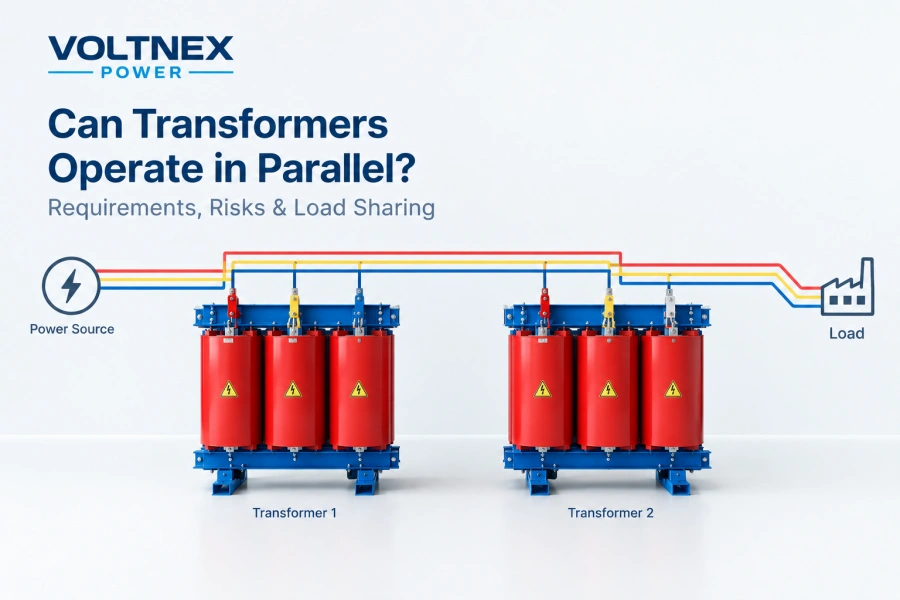
Connecting two or more transformers in parallel can increase power capacity, improve system reliability, and provide flexibility for future expansion. However, transformers cannot be connected in parallel simply because they have the same voltage rating. Their electrical characteristics and operating conditions must be compatible. For industrial facilities, commercial buildings, manufacturing plants, and power distribution systems, […]
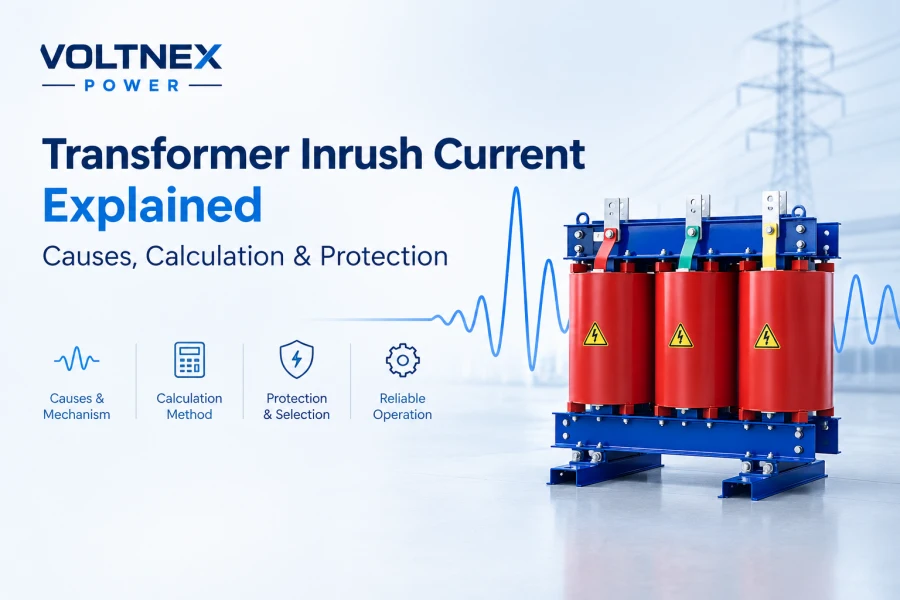
Transformer inrush current is one of the most common causes of unexpected circuit breaker trips during transformer energization. When a transformer is switched on, its initial magnetizing current can rise far above its normal operating current, even when no load is connected to the secondary winding. For industrial power systems, understanding transformer inrush current is […]
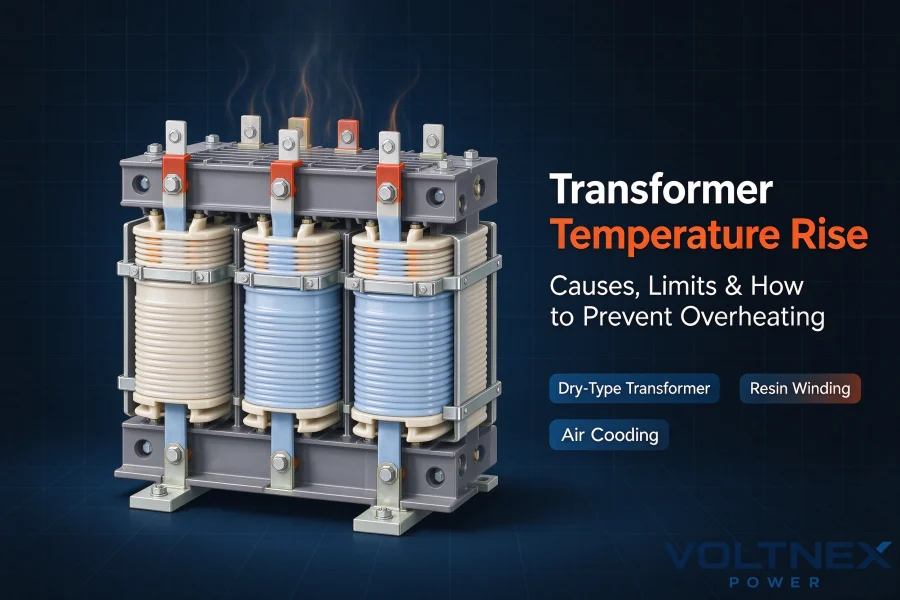
Transformer temperature rise is an important factor when selecting and operating an industrial transformer. Excessive temperature can accelerate insulation aging, reduce service life, increase losses, and eventually cause transformer failure. For dry type transformers, temperature management is especially important because heat must be dissipated through air rather than insulating oil. Understanding temperature rise helps engineers […]
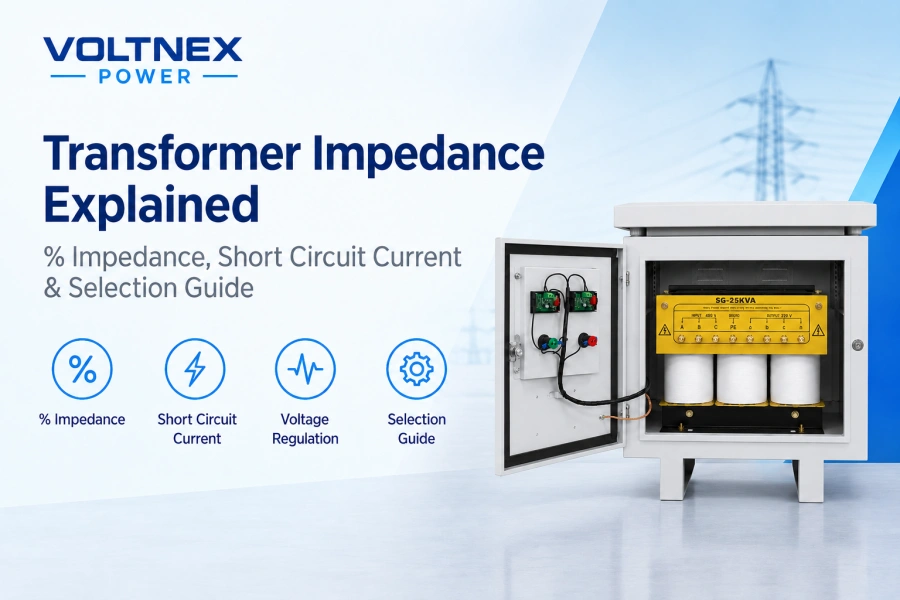
Transformer impedance is an important specification when selecting, sizing, or replacing a transformer for an industrial or commercial power system. It directly affects short-circuit current, voltage drop, voltage regulation, transformer paralleling, and system protection. For engineers and electrical equipment buyers, understanding transformer impedance helps ensure that the transformer is compatible with the existing electrical system […]
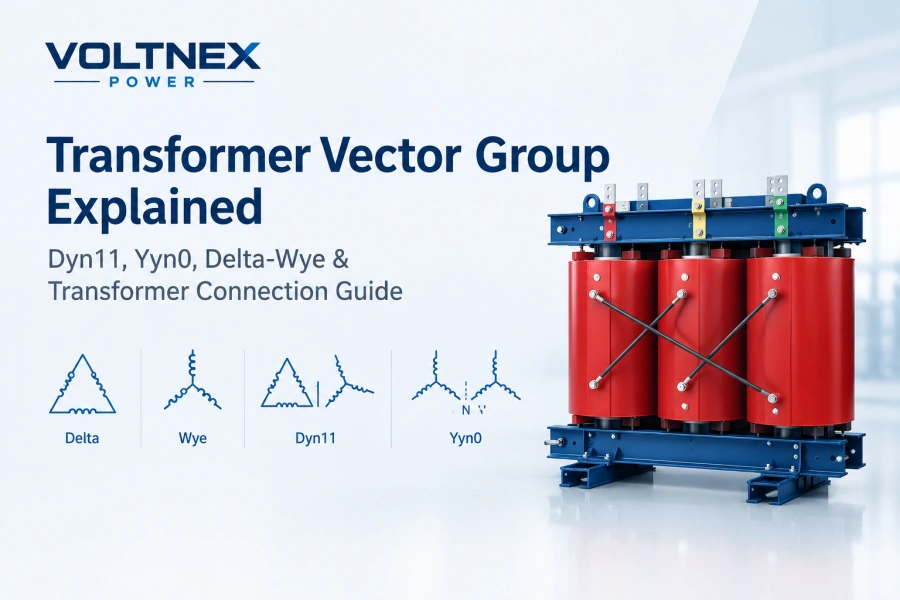
Правильный выбор схемы подключения трансформатора имеет важное значение для преобразования напряжения, фазовых соотношений, заземления, совместимости систем и надежного распределения электроэнергии в промышленных условиях. В случае трехфазных трансформаторов такие термины, как Dyn11, Yyn0, «треугольник-звезда», «звезда-треугольник» и векторная группа трансформатора, описывают способ соединения первичной и вторичной обмоток, а также фазовый сдвиг напряжений. Для промышленного оборудования, автоматизации производства, […]
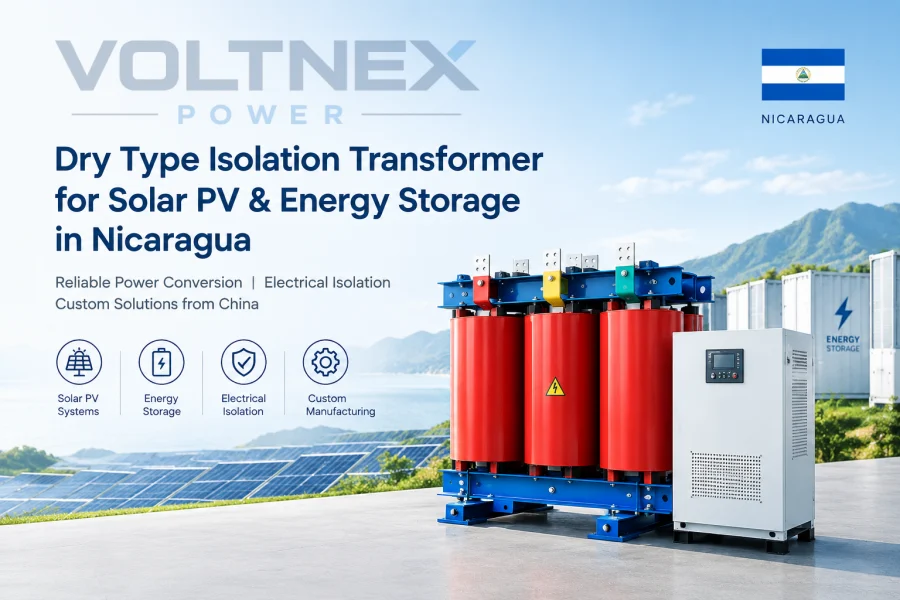
Для проектов в области солнечной фотоэлектрической энергетики, аккумулирования энергии в батареях и промышленного электроснабжения в Никарагуа выбор подходящего трансформатора является важной составляющей создания надёжной энергосистемы. Изолирующий трансформатор сухого типа может использоваться между инвертором, системой преобразования энергии (PCS), системой распределения электроэнергии и последующими нагрузками, если проект требует преобразования напряжения, электрической изоляции или определённых […]

A Battery Energy Storage System (BESS) requires more than batteries, a Battery Management System (BMS) and a Power Conversion System (PCS). The transformer is also a critical part of the electrical system, connecting the battery storage equipment to the facility electrical network or utility grid. Selecting the right BESS transformer requires consideration of transformer capacity, […]
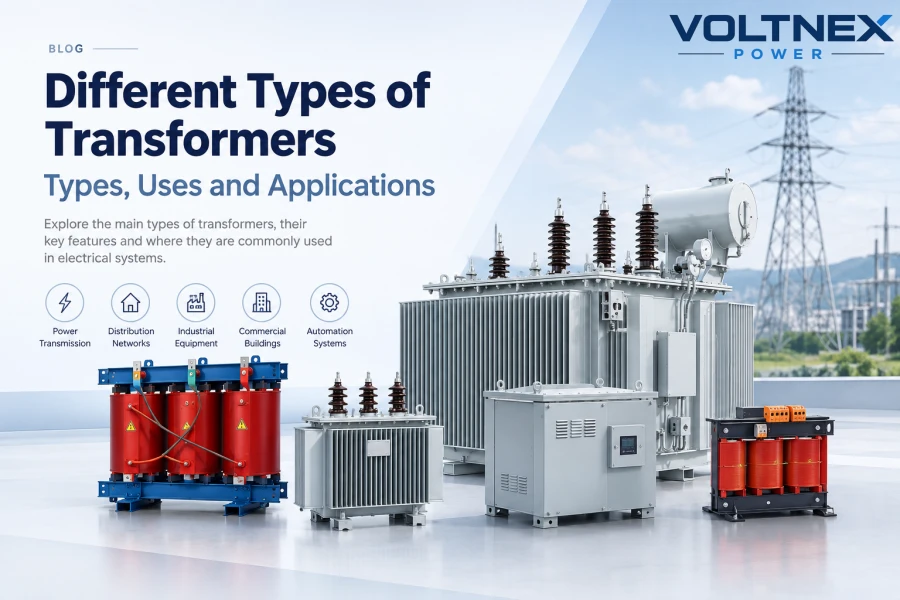
Transformers are essential electrical devices used to transfer AC electrical energy from one circuit to another while changing voltage and current levels. They are widely used in power generation, transmission, distribution, industrial equipment, commercial buildings, automation systems and electrical machinery. There are many different types of transformers, and they can be classified according to their […]
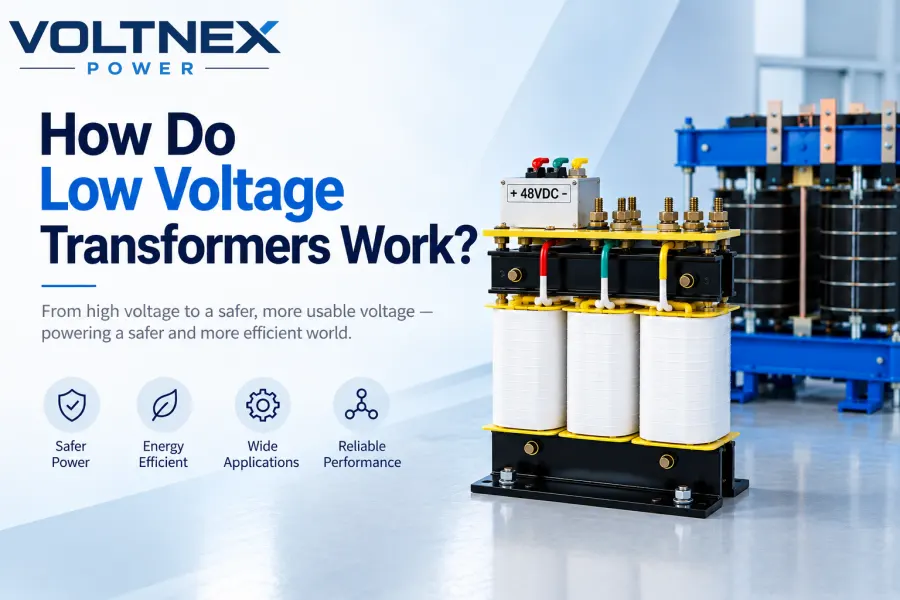
Low voltage transformers reduce a higher AC voltage to a lower voltage required by electrical equipment, control systems, lighting, machinery, and other loads. They are widely used in residential, commercial, and industrial electrical systems. Depending on the application, a low voltage transformer may provide common secondary voltages such as 12V, 24V, 48V, 110V, 120V, 208V, […]
- 1
- 2