


























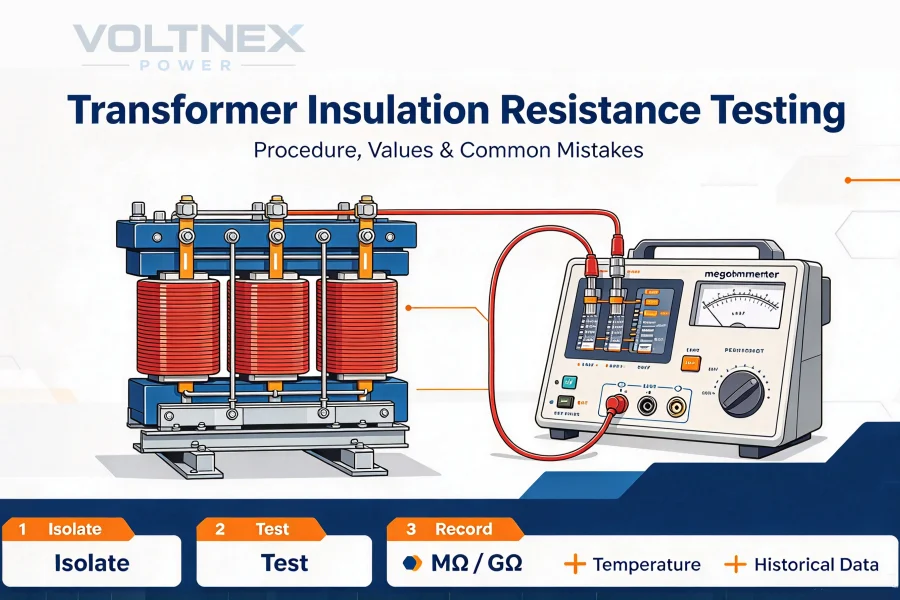
Transformer insulation resistance testing is an essential maintenance procedure for evaluating the condition of electrical insulation between windings and between windings and ground. It helps identify moisture, contamination, insulation deterioration, and other potential problems before they lead to electrical failures. For industrial facilities, power distribution systems, and manufacturing plants, regular transformer insulation testing can reduce […]
Archivos de Etiquetas: dry type transformer
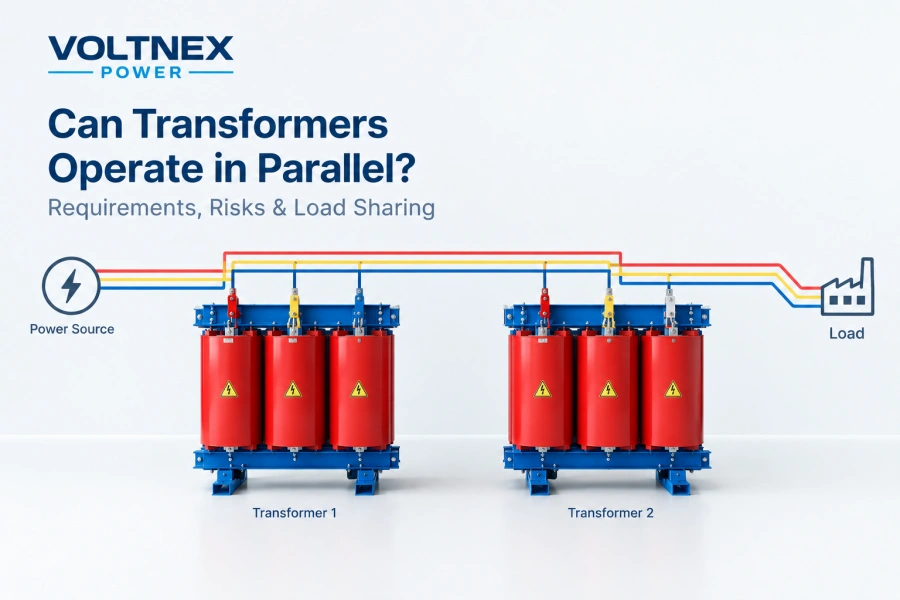
Connecting two or more transformers in parallel can increase power capacity, improve system reliability, and provide flexibility for future expansion. However, transformers cannot be connected in parallel simply because they have the same voltage rating. Their electrical characteristics and operating conditions must be compatible. For industrial facilities, commercial buildings, manufacturing plants, and power distribution systems, […]
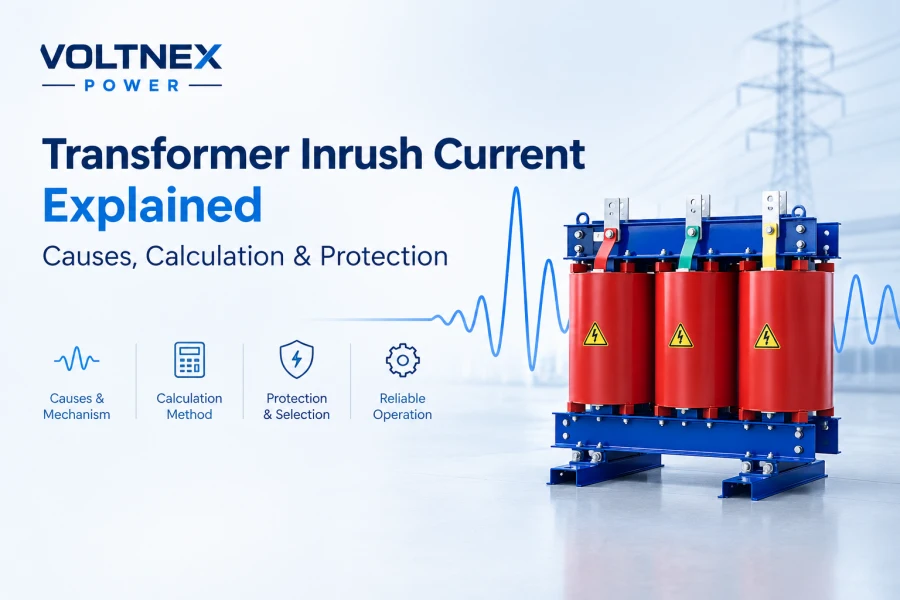
Transformer inrush current is one of the most common causes of unexpected circuit breaker trips during transformer energization. When a transformer is switched on, its initial magnetizing current can rise far above its normal operating current, even when no load is connected to the secondary winding. For industrial power systems, understanding transformer inrush current is […]
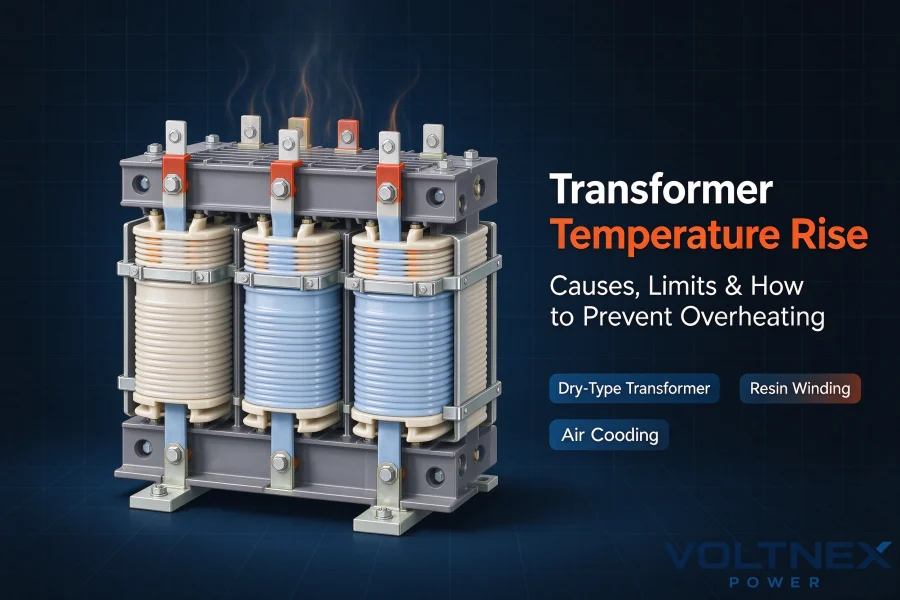
El aumento de temperatura de un transformador es un factor importante a la hora de seleccionar y poner en funcionamiento un transformador industrial. Una temperatura excesiva puede acelerar el envejecimiento del aislamiento, reducir la vida útil, aumentar las pérdidas y, en última instancia, provocar el fallo del transformador. En el caso de los transformadores de tipo seco, la gestión de la temperatura es especialmente importante, ya que el calor debe disiparse a través del aire en lugar de mediante el aceite aislante. Comprender el aumento de temperatura ayuda a los ingenieros […]
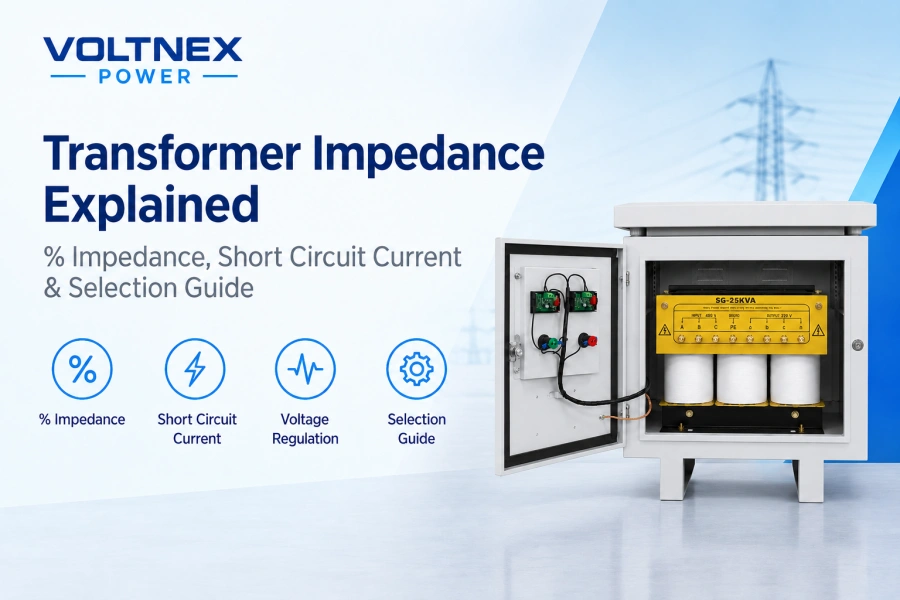
Transformer impedance is an important specification when selecting, sizing, or replacing a transformer for an industrial or commercial power system. It directly affects short-circuit current, voltage drop, voltage regulation, transformer paralleling, and system protection. For engineers and electrical equipment buyers, understanding transformer impedance helps ensure that the transformer is compatible with the existing electrical system […]
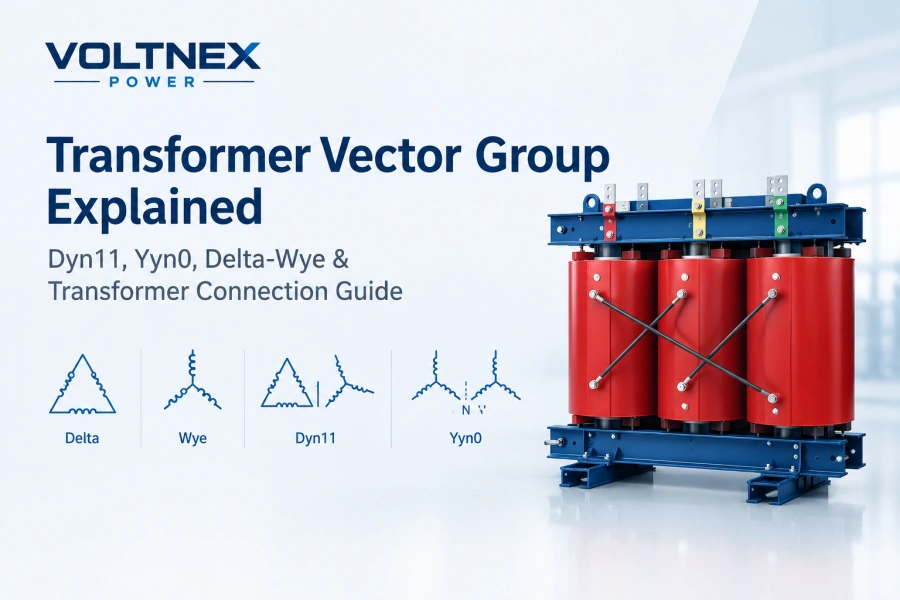
Choosing the correct transformer connection is important for voltage conversion, phase relationships, grounding, system compatibility, and reliable industrial power distribution. For three-phase transformers, terms such as Dyn11, Yyn0, Delta-Wye, Wye-Delta, and transformer vector group describe how the primary and secondary windings are connected and how their phase voltages are displaced. For industrial equipment, factory automation, […]
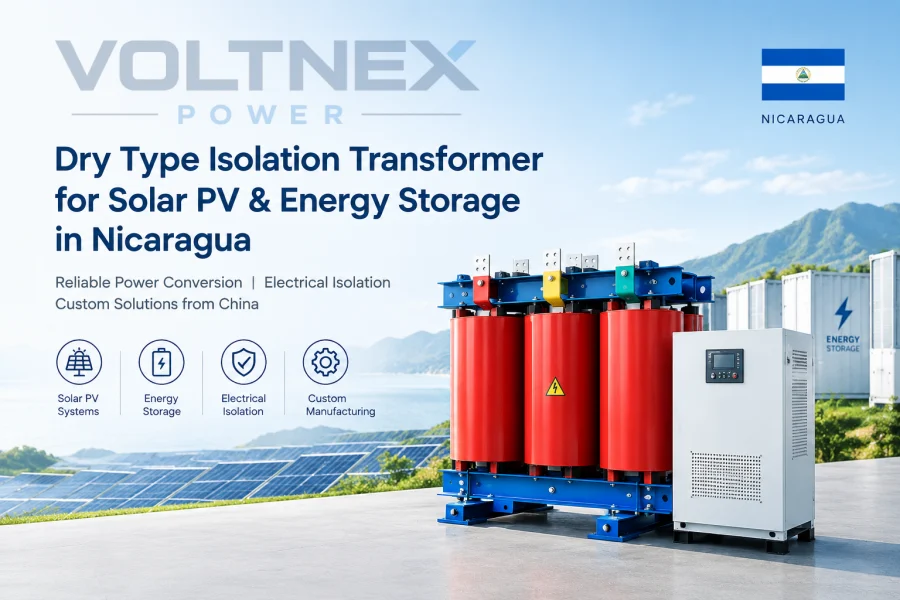
For solar PV, battery energy storage and industrial electrical projects in Nicaragua, selecting the correct transformer is an important part of building a reliable power system. A dry type isolation transformer can be used between an inverter, PCS, electrical distribution system and downstream loads when the project requires voltage transformation, electrical isolation or a specific […]

A Battery Energy Storage System (BESS) requires more than batteries, a Battery Management System (BMS) and a Power Conversion System (PCS). The transformer is also a critical part of the electrical system, connecting the battery storage equipment to the facility electrical network or utility grid. Selecting the right BESS transformer requires consideration of transformer capacity, […]
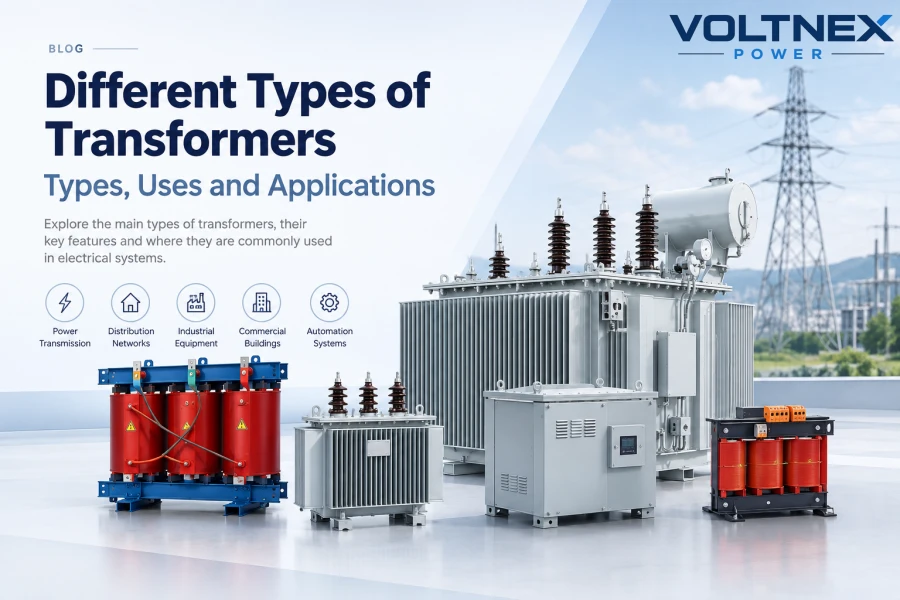
Transformers are essential electrical devices used to transfer AC electrical energy from one circuit to another while changing voltage and current levels. They are widely used in power generation, transmission, distribution, industrial equipment, commercial buildings, automation systems and electrical machinery. There are many different types of transformers, and they can be classified according to their […]
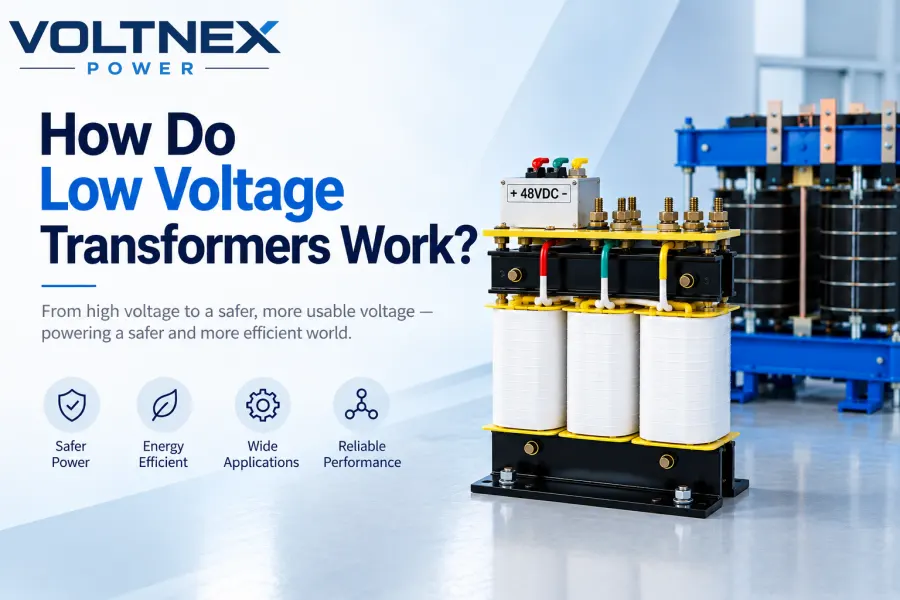
Los transformadores de baja tensión reducen una tensión alterna más alta a una tensión más baja, necesaria para los equipos eléctricos, los sistemas de control, la iluminación, la maquinaria y otras cargas. Se utilizan ampliamente en sistemas eléctricos residenciales, comerciales e industriales. Dependiendo de la aplicación, un transformador de baja tensión puede proporcionar tensiones secundarias habituales, como 12 V, 24 V, 48 V, 110 V, 120 V, 208 V, […]
- 1
- 2