

























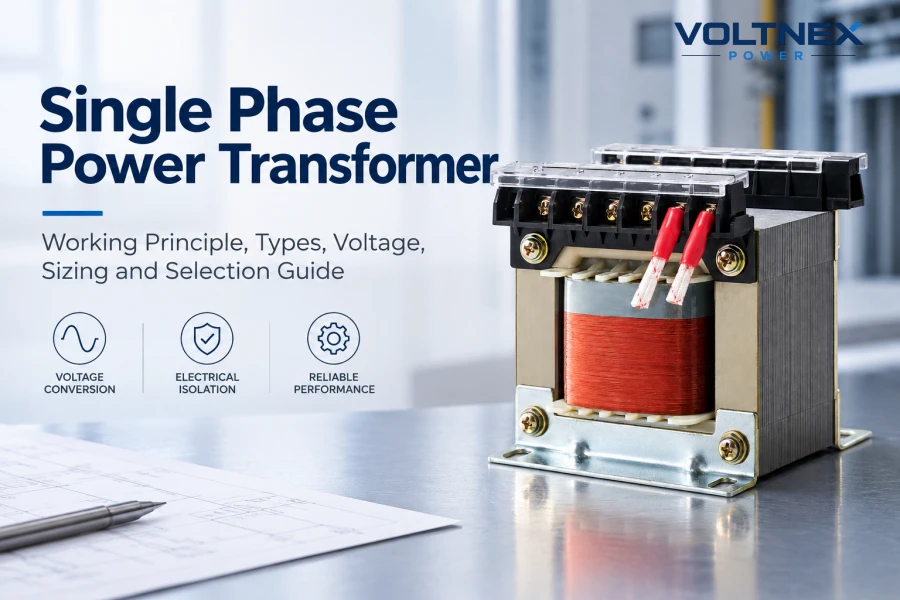
A single phase power transformer is an electrical device used to transfer AC power between circuits while changing the voltage level, providing electrical isolation, or both. Single-phase transformers are widely used in residential power distribution, commercial buildings, industrial control systems, machinery, UPS systems, renewable energy installations and utility distribution networks. Depending on the application, they […]
Author Archives: Voltnex Power

Voltage converters and transformers are both used to change voltage, but they work in different ways and are designed for different applications. Understanding the difference helps you choose the right equipment for industrial machines, electrical systems and power conversion projects. The Way It Works Transformer A transformer is an electrical device that changes AC voltage […]

A 3 phase to single phase transformer is used when a facility has three-phase electrical power but a machine, control system, or other electrical load requires single-phase power. This type of transformer is widely used for CNC machines, machine tools, industrial automation, manufacturing equipment, control cabinets, laboratory systems, telecom equipment, and commercial power systems. Common […]
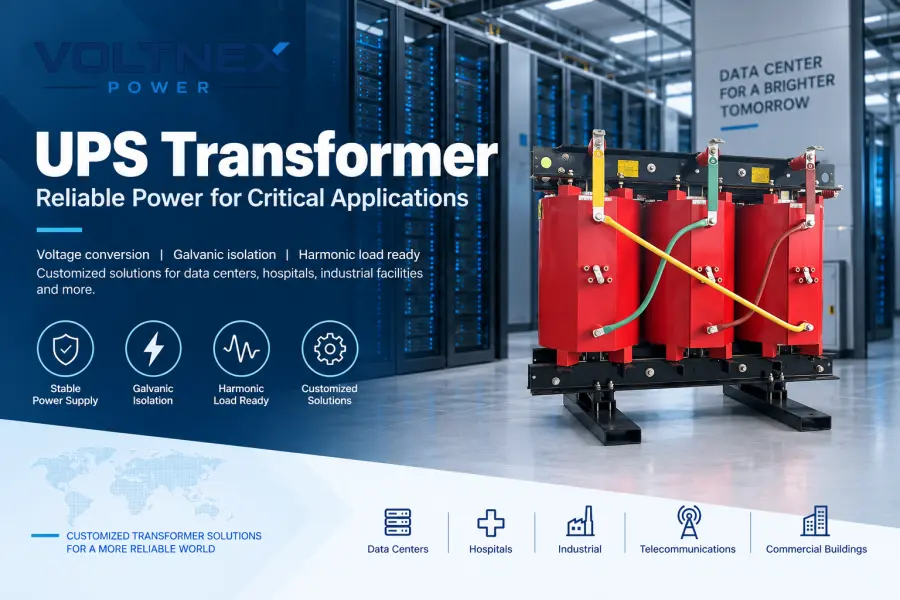
A UPS transformer is a specially designed transformer used with an Uninterruptible Power Supply (UPS) system to provide voltage conversion, electrical isolation, grounding configuration, and reliable power distribution for critical electrical loads. UPS transformers are commonly installed in data centers, hospitals, telecommunications facilities, industrial plants, control systems, financial facilities, laboratories, transportation infrastructure, and other mission-critical […]

A step down power transformer is an electrical transformer designed to reduce a higher input voltage to a lower output voltage required by industrial equipment, machinery, electrical systems, and power distribution networks. In modern industrial facilities, the available utility voltage does not always match the voltage required by production equipment. A step down transformer provides […]
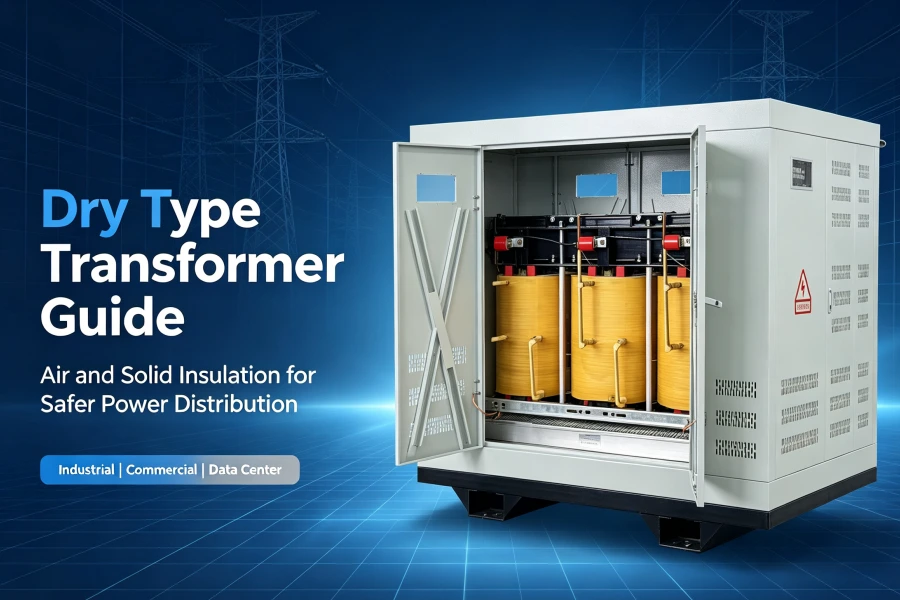
Un transformador de tipo seco es un transformador eléctrico que utiliza aire y aislamiento sólido en lugar de aceite de transformador para la refrigeración y el aislamiento. Se utiliza ampliamente en instalaciones industriales, edificios comerciales, centros de datos, sistemas de automatización y equipos eléctricos. ¿Qué es un transformador de tipo seco? Un transformador de tipo seco transfiere energía eléctrica entre circuitos a través de fenómenos electromagnéticos […]
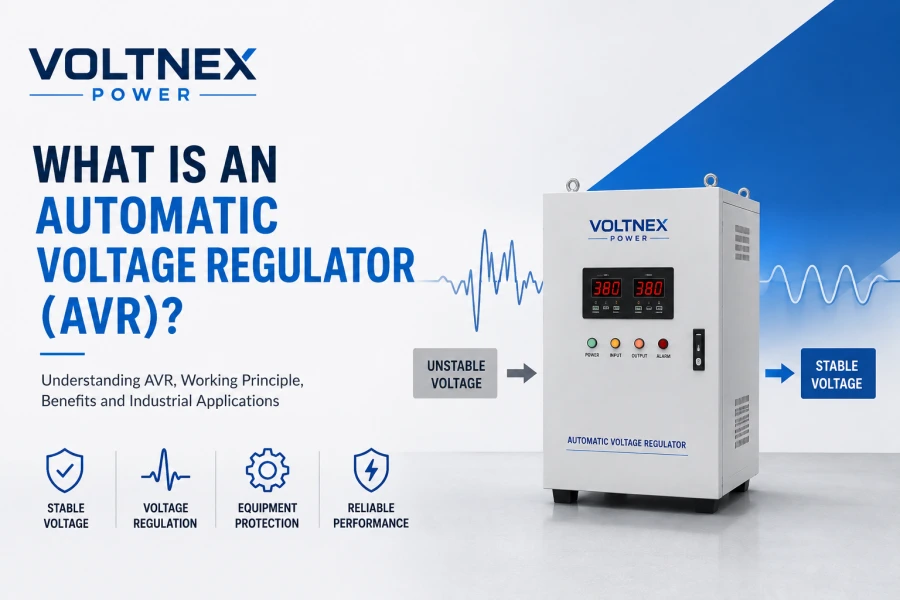
El regulador automático de voltaje (AVR) es un dispositivo eléctrico diseñado para mantener automáticamente un voltaje de salida estable cuando el voltaje de entrada fluctúa. Se utiliza ampliamente para proteger equipos industriales, motores, máquinas CNC, sistemas de automatización y otras cargas eléctricas contra condiciones de subtensión y sobretensión. La inestabilidad del voltaje es un problema común en los sistemas de energía industriales. Los cambios en […]
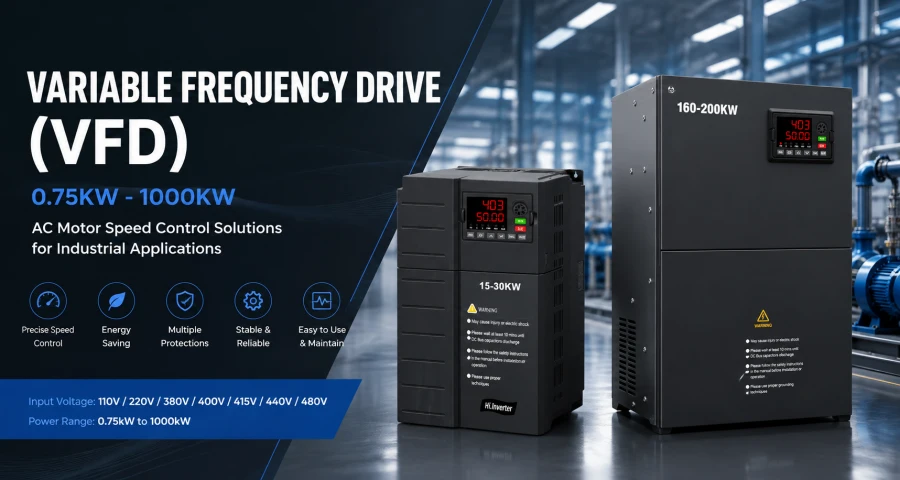
A Variable Frequency Drive (VFD) is an electronic motor control device that regulates the speed, torque, acceleration, and operating frequency of an AC motor. By controlling the frequency and voltage supplied to the motor, a VFD allows industrial equipment to operate at the speed required by the process instead of running continuously at a fixed […]
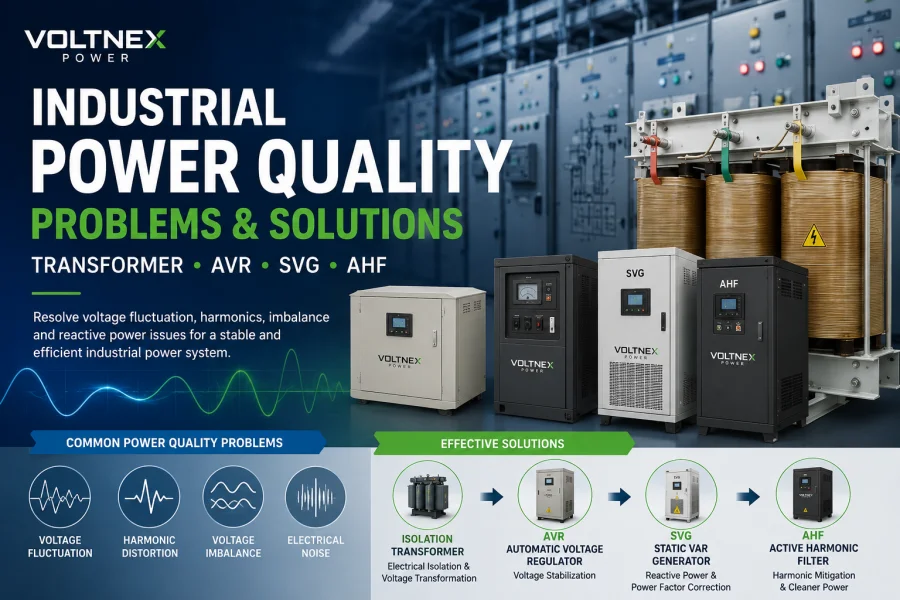
Industrial electrical systems require stable, reliable and high-quality power to keep motors, VFDs, transformers, automation equipment and production lines operating efficiently. However, many factories experience power quality problems such as voltage fluctuation, harmonic distortion, voltage imbalance, low power factor, reactive power and electrical noise. These problems can affect equipment performance, increase electrical losses, cause overheating […]
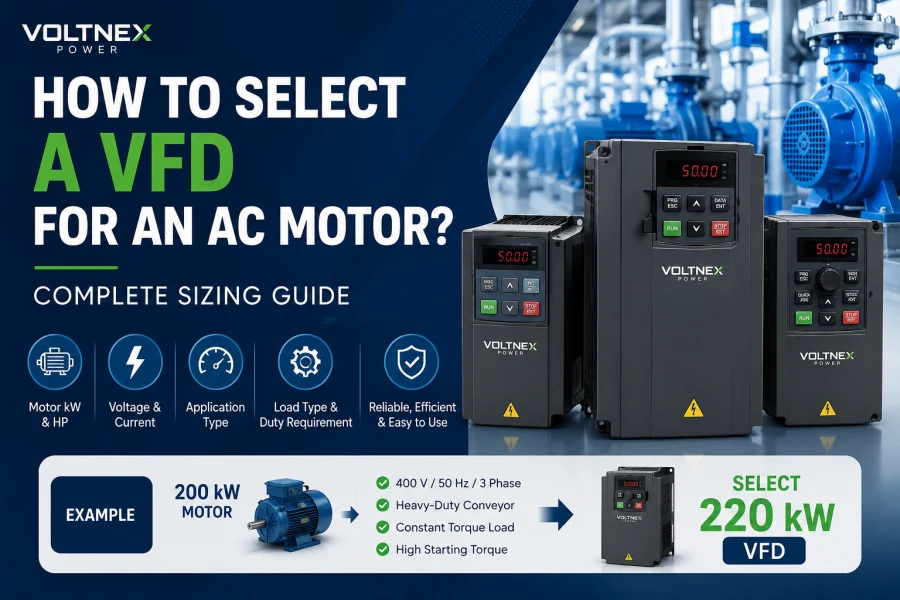
Elegir el variador de frecuencia (VFD) adecuado para un motor de corriente alterna es esencial para lograr un control confiable del motor, un funcionamiento estable, eficiencia energética y una larga vida útil del equipo. Un VFD seleccionado adecuadamente puede controlar la velocidad del motor, proporcionar arranques y paradas suaves, reducir el estrés mecánico y proteger al motor contra fallas eléctricas comunes. Sin embargo, seleccionar un VFD no es […]