



























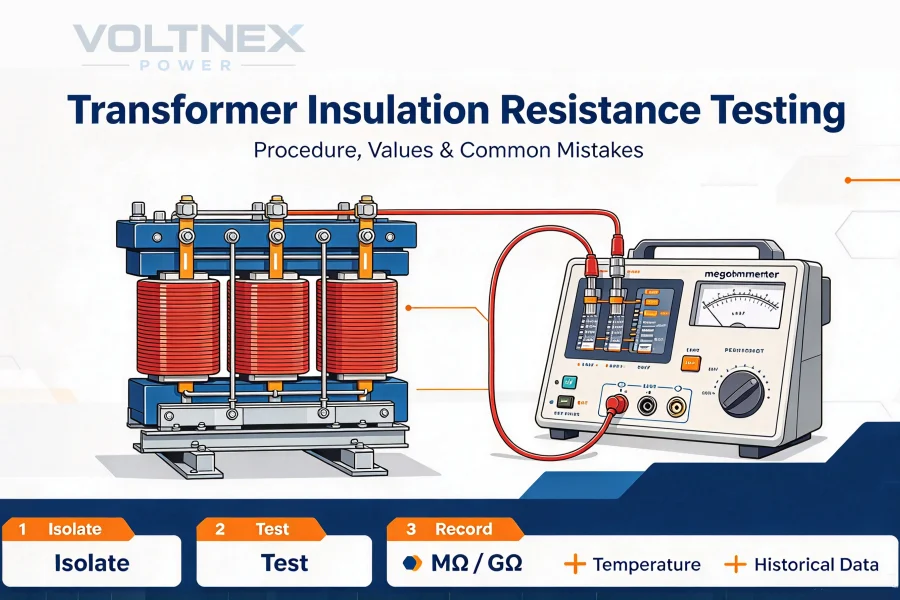
Transformer insulation resistance testing is an essential maintenance procedure for evaluating the condition of electrical insulation between windings and between windings and ground. It helps identify moisture, contamination, insulation deterioration, and other potential problems before they lead to electrical failures. For industrial facilities, power distribution systems, and manufacturing plants, regular transformer insulation testing can reduce […]
Αρχείο ετικετών: dry type transformer
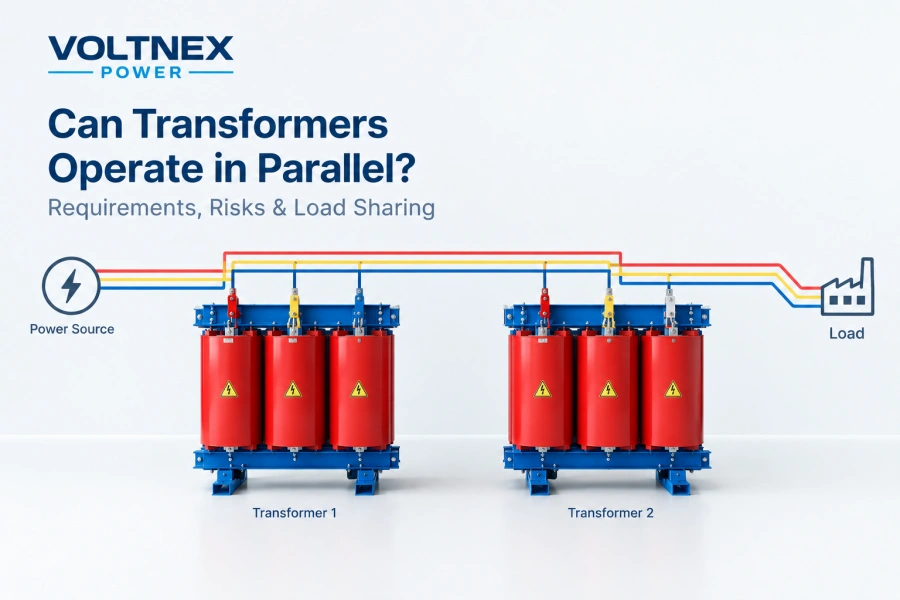
Connecting two or more transformers in parallel can increase power capacity, improve system reliability, and provide flexibility for future expansion. However, transformers cannot be connected in parallel simply because they have the same voltage rating. Their electrical characteristics and operating conditions must be compatible. For industrial facilities, commercial buildings, manufacturing plants, and power distribution systems, […]
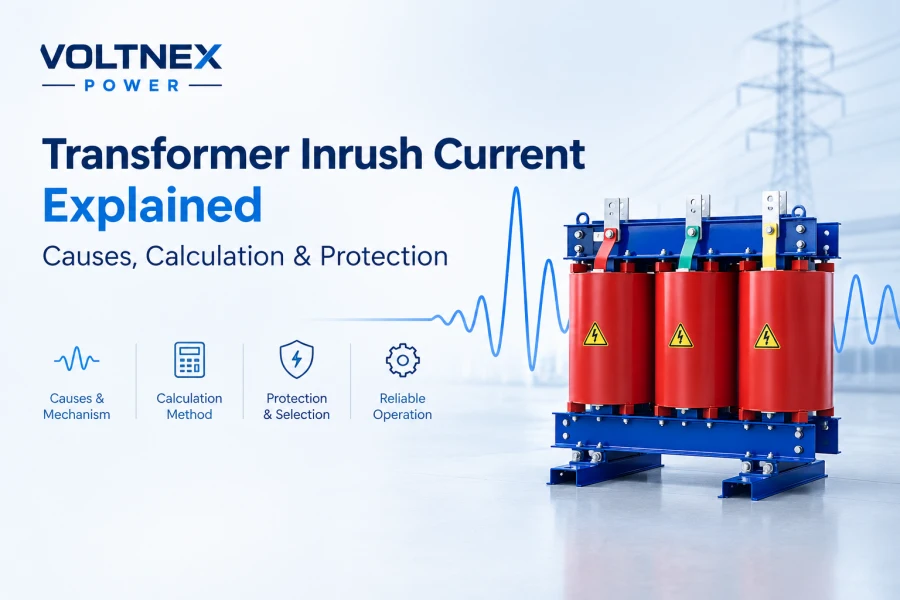
Transformer inrush current is one of the most common causes of unexpected circuit breaker trips during transformer energization. When a transformer is switched on, its initial magnetizing current can rise far above its normal operating current, even when no load is connected to the secondary winding. For industrial power systems, understanding transformer inrush current is […]
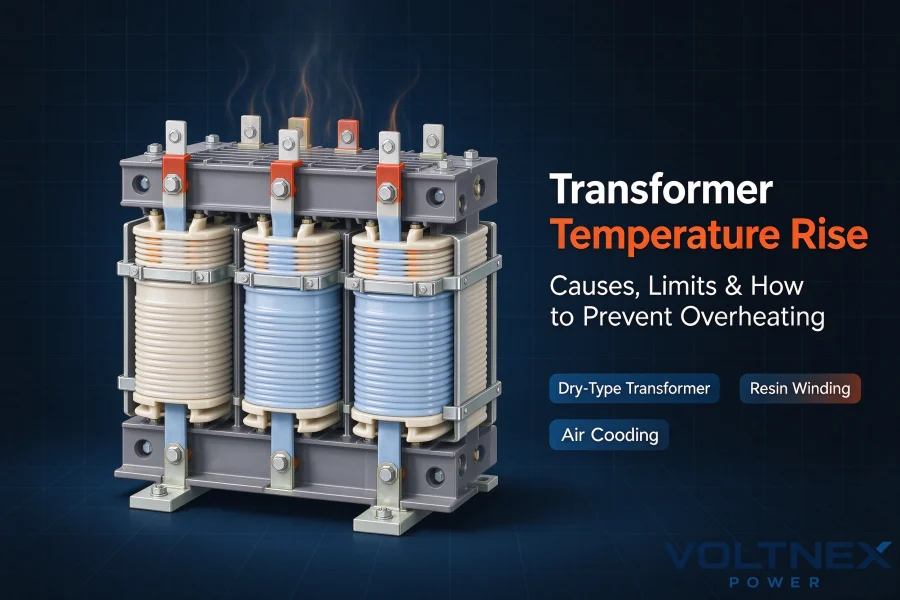
Transformer temperature rise is an important factor when selecting and operating an industrial transformer. Excessive temperature can accelerate insulation aging, reduce service life, increase losses, and eventually cause transformer failure. For dry type transformers, temperature management is especially important because heat must be dissipated through air rather than insulating oil. Understanding temperature rise helps engineers […]
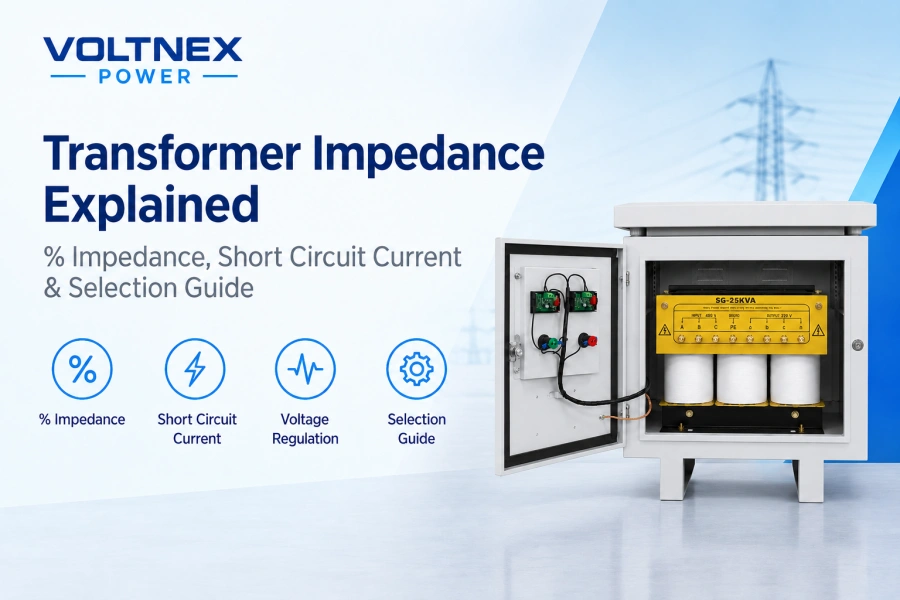
Transformer impedance is an important specification when selecting, sizing, or replacing a transformer for an industrial or commercial power system. It directly affects short-circuit current, voltage drop, voltage regulation, transformer paralleling, and system protection. For engineers and electrical equipment buyers, understanding transformer impedance helps ensure that the transformer is compatible with the existing electrical system […]
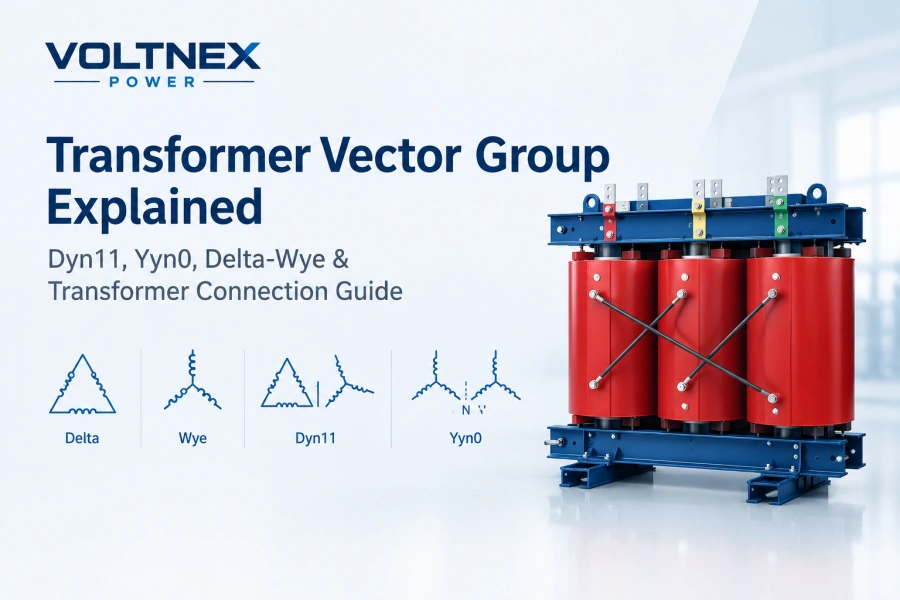
Choosing the correct transformer connection is important for voltage conversion, phase relationships, grounding, system compatibility, and reliable industrial power distribution. For three-phase transformers, terms such as Dyn11, Yyn0, Delta-Wye, Wye-Delta, and transformer vector group describe how the primary and secondary windings are connected and how their phase voltages are displaced. For industrial equipment, factory automation, […]
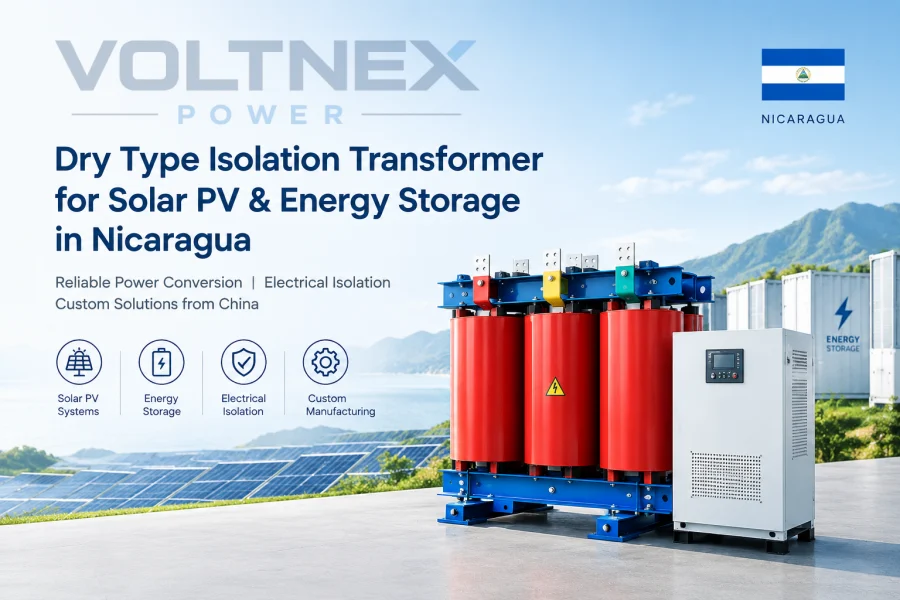
Για έργα φωτοβολταϊκών συστημάτων, αποθήκευσης ενέργειας σε μπαταρίες και βιομηχανικών ηλεκτρικών εγκαταστάσεων στη Νικαράγουα, η επιλογή του κατάλληλου μετασχηματιστή αποτελεί σημαντικό στοιχείο για τη δημιουργία ενός αξιόπιστου συστήματος ηλεκτροδότησης. Ένας μετασχηματιστής απομόνωσης ξηρού τύπου μπορεί να χρησιμοποιηθεί μεταξύ ενός μετατροπέα, ενός συστήματος ελέγχου ισχύος (PCS), ενός συστήματος ηλεκτρικής διανομής και των φορτίων που ακολουθούν, όταν το έργο απαιτεί μετασχηματισμό τάσης, ηλεκτρική απομόνωση ή κάποιο συγκεκριμένο […]

A Battery Energy Storage System (BESS) requires more than batteries, a Battery Management System (BMS) and a Power Conversion System (PCS). The transformer is also a critical part of the electrical system, connecting the battery storage equipment to the facility electrical network or utility grid. Selecting the right BESS transformer requires consideration of transformer capacity, […]
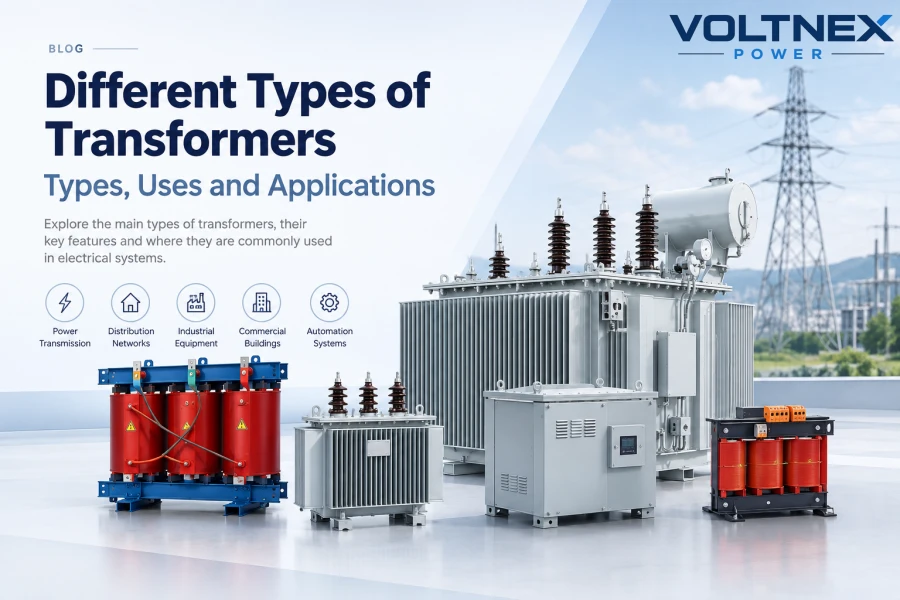
Transformers are essential electrical devices used to transfer AC electrical energy from one circuit to another while changing voltage and current levels. They are widely used in power generation, transmission, distribution, industrial equipment, commercial buildings, automation systems and electrical machinery. There are many different types of transformers, and they can be classified according to their […]
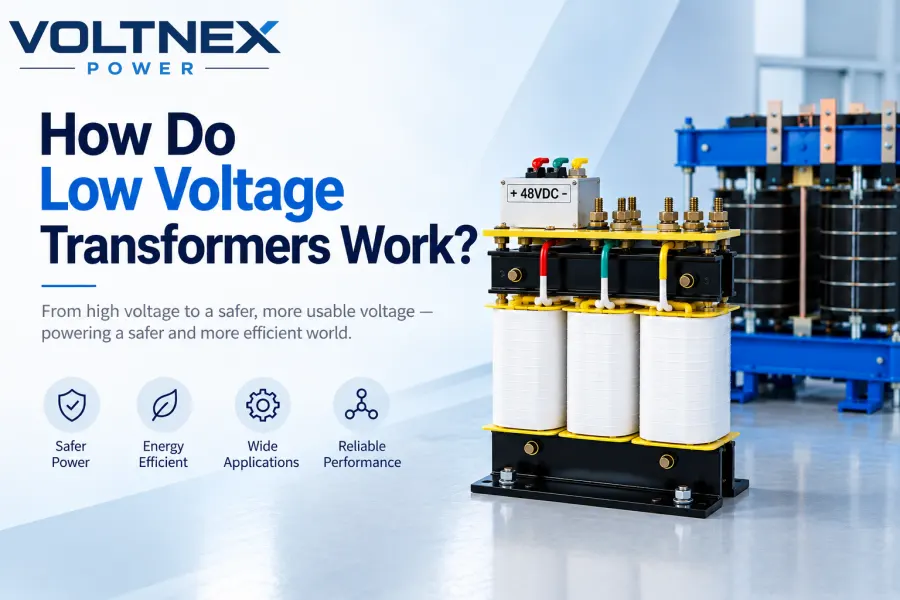
Οι μετασχηματιστές χαμηλής τάσης μειώνουν μια υψηλότερη τάση εναλλασσόμενου ρεύματος σε χαμηλότερη τάση, όπως απαιτείται από ηλεκτρικό εξοπλισμό, συστήματα ελέγχου, φωτισμό, μηχανήματα και άλλα φορτία. Χρησιμοποιούνται ευρέως σε οικιακά, εμπορικά και βιομηχανικά ηλεκτρικά συστήματα. Ανάλογα με την εφαρμογή, ένας μετασχηματιστής χαμηλής τάσης μπορεί να παρέχει συνήθεις δευτερεύουσες τάσεις, όπως 12 V, 24 V, 48 V, 110 V, 120 V, 208 V, […]
- 1
- 2