

Introduction
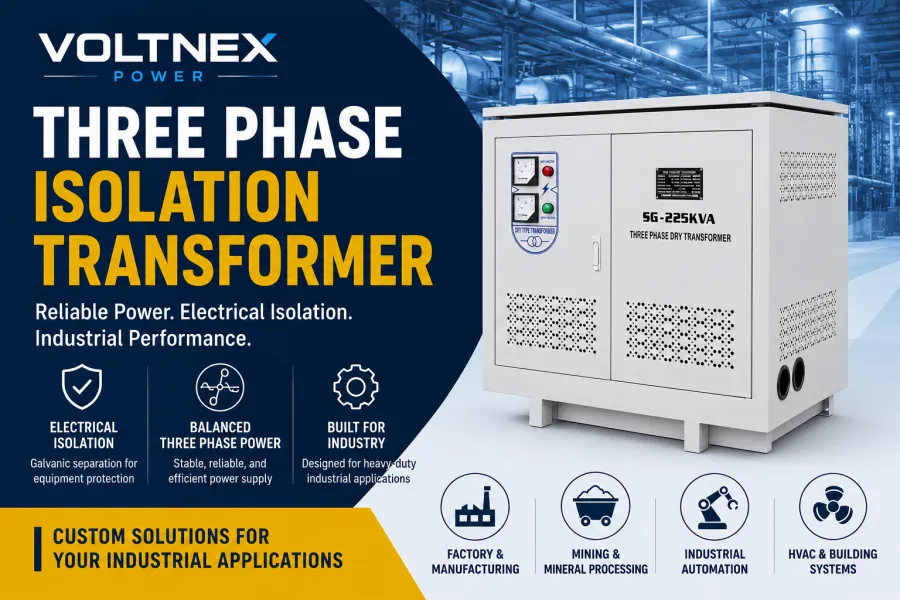
Three phase isolation transformers are widely used in industrial electrical systems where reliable power distribution, electrical isolation, voltage conversion, and equipment protection are required. Compared with single phase transformers, a three phase isolation transformer is designed for three phase power systems and provides balanced electrical power for high-capacity industrial loads.
This guide explains what a three phase isolation transformer is, how three phase electrical systems work, its major advantages, and where industrial three phase transformers are commonly used.
What Is a Three Phase Isolation Transformer?
A three phase isolation transformer is an electrical transformer designed to transfer electrical energy between two separate three phase circuits while providing galvanic isolation between the input and output sides.
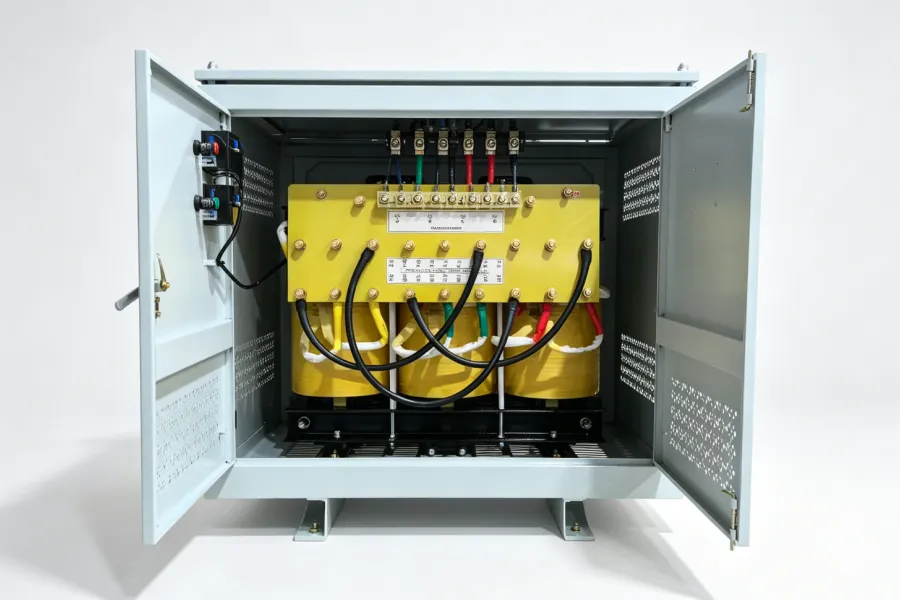
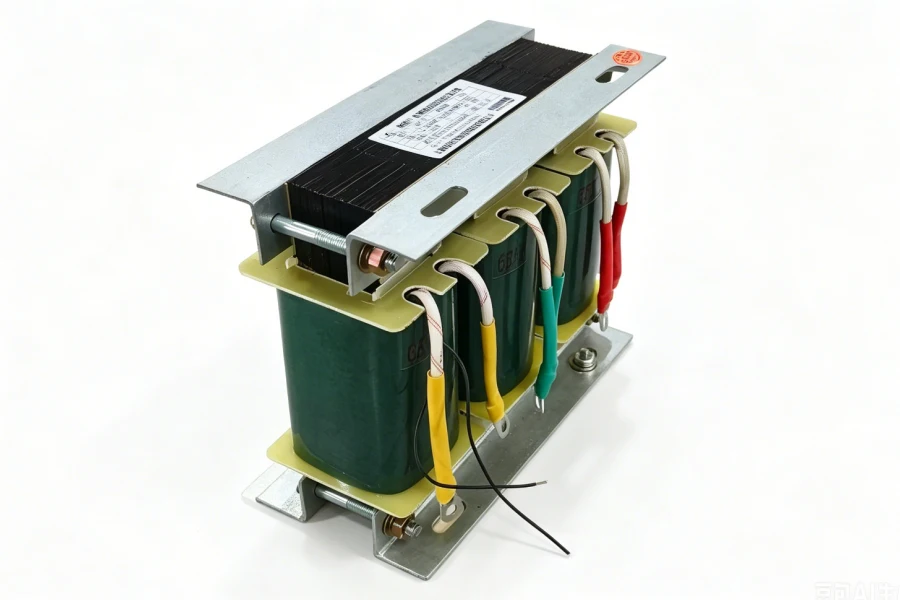
The transformer uses three primary winding phases and three secondary winding phases. Depending on the application, the input and output voltage can be customized for different industrial electrical systems.
Unlike an autotransformer, a three phase isolation transformer has electrically separated primary and secondary windings. This isolation can help reduce the transmission of electrical disturbances and provide an additional level of protection for connected equipment.
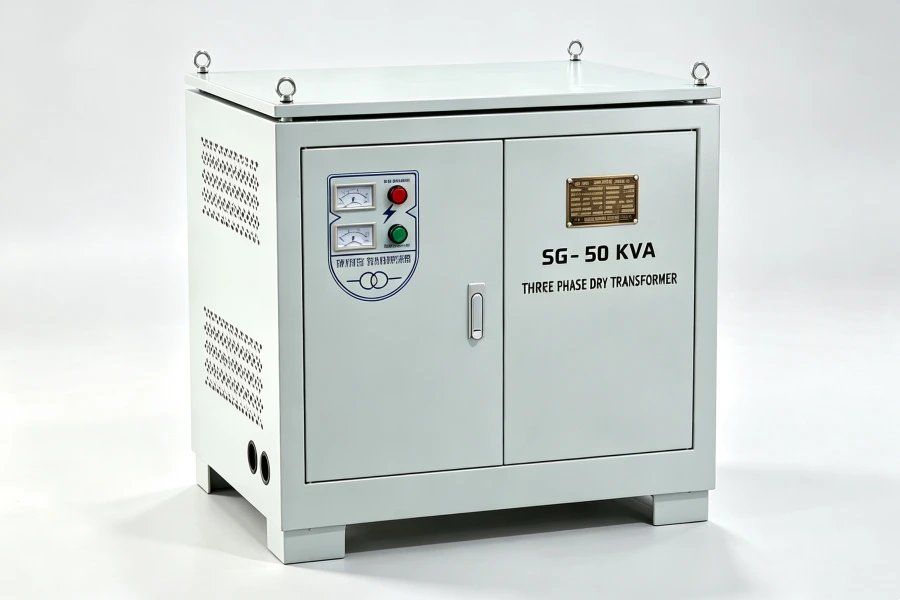
Typical applications include industrial machinery, automation systems, manufacturing facilities, mining equipment, HVAC systems, and other heavy-duty electrical installations.
How Does a Three Phase Electrical System Work?
Three phase electrical power consists of three alternating voltage waveforms separated by 120 electrical degrees. This configuration provides a continuous and balanced supply of power for three phase electrical equipment.
A three phase transformer transfers power between the primary and secondary circuits while maintaining the three phase relationship.
Depending on system requirements, three phase transformers can be configured with different winding connections, including:
- Delta-to-Delta
- Delta-to-Wye
- Wye-to-Delta
- Wye-to-Wye
The appropriate configuration depends on the input voltage, output voltage, grounding requirements, load characteristics, and electrical standards of the installation.
Three Phase Isolation Transformer vs. Single Phase Transformer
The main difference is the type of electrical system each transformer is designed to serve.
A single phase isolation transformer is generally suitable for individual single phase loads, control circuits, or lower-capacity applications. A three phase isolation transformer is designed for three phase power distribution and is better suited to industrial equipment with higher power requirements.
Three phase systems can also provide better load distribution and are commonly used for motors, pumps, compressors, CNC machines, HVAC equipment, and automated production machinery.
For large industrial facilities, using a three phase transformer can simplify power distribution while reducing the need for multiple individual transformers.
Advantages of Three Phase Isolation Transformers
1. High Efficiency
Three phase transformers are designed to transfer electrical power efficiently across three phases. For industrial applications with continuous operation and high electrical demand, transformer efficiency can have an important impact on operating costs.
Proper transformer sizing, winding design, core construction, and cooling configuration can further improve overall system performance.
2. Balanced Three Phase Power
A three phase isolation transformer helps provide balanced power to three phase electrical loads.
Balanced power is particularly important for industrial motors and machinery because voltage imbalance can negatively affect motor performance, operating temperature, and service life.
3. Heavy Load Capability
Three phase transformers are well suited for high-capacity industrial loads.
Depending on the design, three phase isolation transformers can be manufactured for applications ranging from smaller industrial control systems to high-power manufacturing and processing equipment.
Typical loads include:
- Industrial motors
- Pumps
- Compressors
- CNC machines
- Production lines
- HVAC systems
- Mining equipment
- Automation systems
4. Electrical Isolation
The isolated primary and secondary windings provide galvanic separation between the incoming power supply and connected equipment.
This can help reduce the propagation of certain electrical disturbances and provide additional protection for sensitive or mission-critical equipment.
5. Flexible Voltage Conversion
A three phase isolation transformer can be manufactured with different input and output voltage combinations.
Common industrial voltage requirements include 208V, 220V, 380V, 400V, 415V, 440V, 480V, 575V, and 600V, depending on the electrical system and country.
Custom voltage configurations can also be engineered according to project requirements.
Applications of Three Phase Isolation Transformers
Factory and Manufacturing
Factories often use three phase electrical systems to power motors, production lines, automation equipment, welding machines, compressors, and other industrial machinery.
A three phase isolation transformer can provide voltage conversion and electrical isolation between the facility power supply and production equipment.
Mining
Mining operations require robust electrical equipment capable of operating under demanding conditions.
Three phase transformers can be used for crushers, conveyors, pumps, ventilation systems, processing equipment, and other high-power mining machinery.
Transformer specifications can be customized according to the site’s voltage, capacity, environmental conditions, and installation requirements.
Industrial Automation
Automation systems depend on stable and reliable electrical power.
Three phase isolation transformers can be integrated into automated production lines, robotics systems, PLC-controlled equipment, CNC machinery, and industrial control systems.
They can help separate sensitive equipment from upstream electrical networks and provide the required voltage configuration.
HVAC Systems
Large commercial and industrial HVAC systems frequently use three phase motors for chillers, pumps, cooling towers, air handling systems, and ventilation equipment.
A three phase transformer can provide the required voltage and power configuration for these systems while supporting reliable continuous operation.
Where Should You Use a Three Phase Isolation Transformer?
A three phase isolation transformer is particularly suitable when an electrical system requires one or more of the following:
- Three phase voltage conversion
- Galvanic isolation
- High-capacity power supply
- Balanced three phase power
- Industrial equipment protection
- Custom input and output voltage
- Continuous-duty operation
- Integration with industrial automation systems
For applications with large three phase loads, a properly engineered industrial three phase transformer can be more practical than using multiple single phase transformers.
Learn More:What Is an Isolation Transformer? Working Principle, Benefits and Industrial Applications
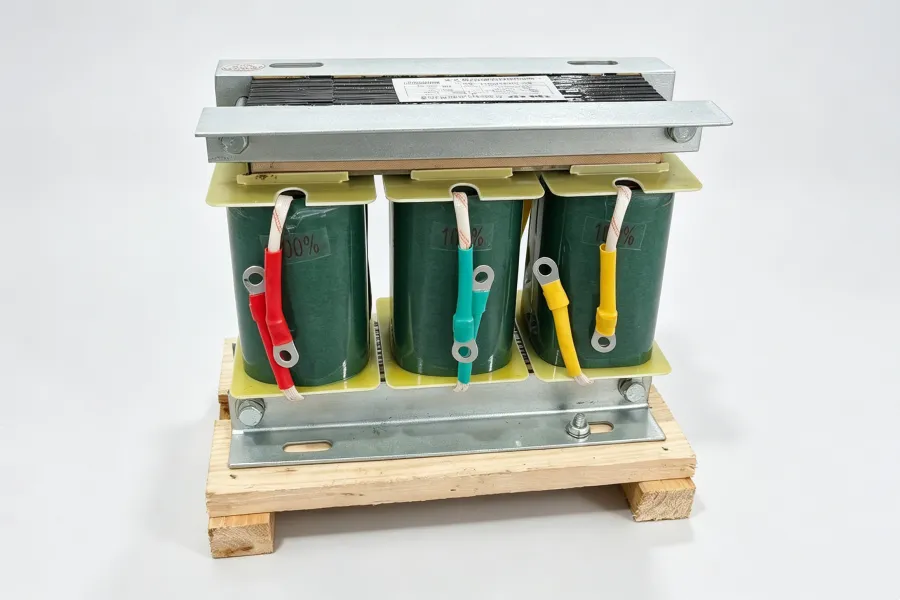
How to Select a Three Phase Isolation Transformer
Choosing the correct transformer requires more than simply matching the kVA rating.
Important parameters include:
Transformer capacity should also account for motor starting current, future load expansion, harmonic loads, ambient temperature, and continuous operating conditions.
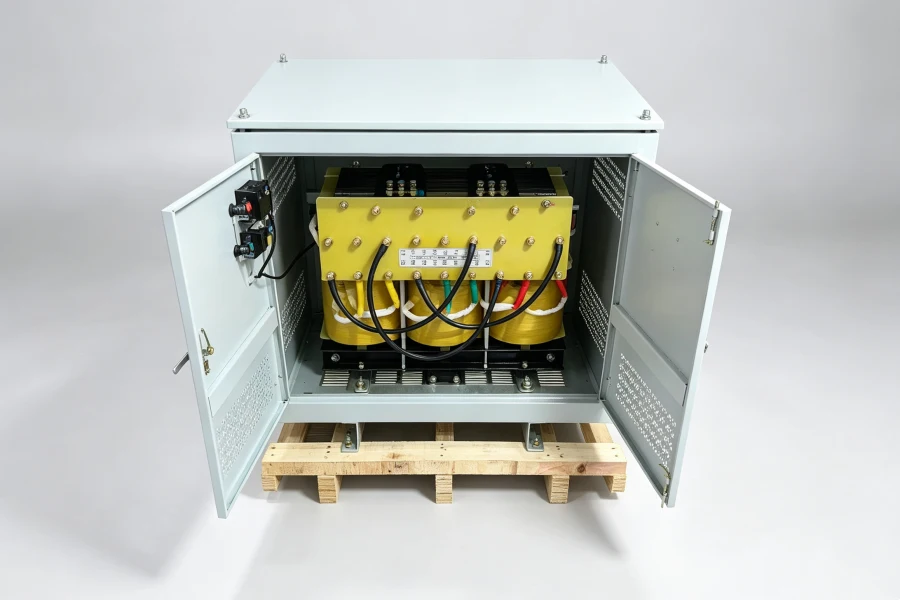
Three Phase Isolation Transformer for Industrial Equipment
Industrial equipment often combines motors, variable frequency drives, control systems, sensors, PLCs, and other electronic components.
A properly designed three phase isolation transformer can help create a more controlled electrical environment for these systems.
For VFD-driven motors, CNC equipment, automation machinery, and other electronic loads, transformer selection should consider harmonics, inrush current, load profile, grounding, and voltage requirements rather than relying only on the nominal kVA rating.
Custom Three Phase Industrial Transformer Solutions
Industrial transformer requirements vary significantly between projects.
A manufacturer can customize a three phase isolation transformer according to:
- Input and output voltage
- kVA capacity
- Frequency
- Phase configuration
- Winding material
- Vector group
- Insulation class
- Enclosure design
- Cooling method
- Installation environment
- Electrical standards
For international projects, transformer specifications should be confirmed according to the destination country’s electrical system and applicable standards before production.
Three Phase Isolation Transformer Manufacturer
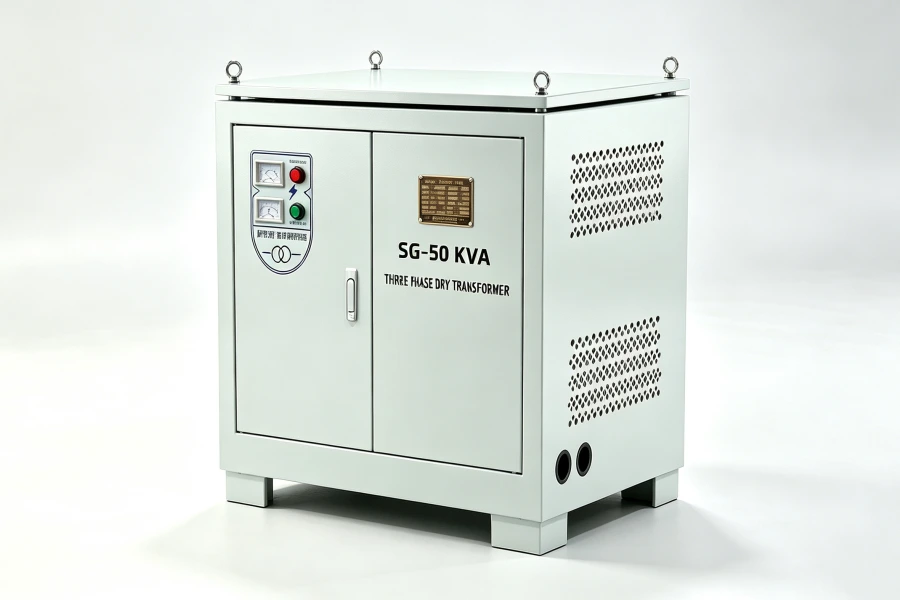
Voltnex Power manufactures custom industrial transformers and three phase isolation transformers for factories, automation systems, mining equipment, HVAC installations, and other industrial applications.
Our transformer solutions can be engineered with customized voltage combinations, power ratings, winding configurations, enclosure designs, and protection requirements.
Whether you require a standard three phase isolation transformer or a customized industrial transformer for OEM and project applications, the transformer should be selected according to the actual electrical load and operating environment.
Frequently Asked Questions
What is a three phase isolation transformer?
A three phase isolation transformer is a transformer with electrically separated primary and secondary windings designed for three phase electrical systems. It can provide voltage conversion and galvanic isolation between the input and output circuits.
What is the difference between a 3 phase transformer and a three phase isolation transformer?
A three phase transformer describes a transformer designed for three phase power. A three phase isolation transformer specifically emphasizes electrical separation between the primary and secondary windings.
Are three phase isolation transformers suitable for industrial applications?
Yes. They are commonly used for factories, manufacturing equipment, automation systems, mining equipment, HVAC systems, motors, pumps, and other industrial loads.
What voltages are available for three phase isolation transformers?
Common configurations include 208V, 220V, 380V, 400V, 415V, 440V, 480V, 575V, and 600V, with custom input and output voltages available for specific projects.
How do I choose the kVA rating?
The kVA rating should be based on the connected load, motor starting requirements, load characteristics, future expansion, and operating conditions. For motor-driven equipment, starting current should be considered when selecting transformer capacity.
Can a three phase isolation transformer be customized?
Yes. Industrial three phase transformers can be customized according to voltage, kVA capacity, frequency, winding material, connection, enclosure, cooling, insulation class, and other project requirements.
Conclusion
Three phase isolation transformers provide an effective solution for industrial power conversion, electrical isolation, and high-capacity three phase power distribution. Their high efficiency, balanced power characteristics, heavy-load capability, and flexible voltage configurations make them suitable for factories, mining operations, automation systems, HVAC installations, and many other industrial applications.
For projects requiring reliable three phase power, selecting the correct transformer capacity, voltage configuration, winding connection, insulation system, and cooling design is essential for long-term performance.
Voltnex Power provides customized three phase isolation transformers and industrial transformer solutions for global industrial applications, OEM projects, and specialized electrical systems.